Advanced Targeted Therapy for Cancer in Bangalore
Targeted Therapy
Targeted therapy represents one of the most advanced and precise approaches in modern cancer care. Unlike traditional treatments that affect both cancerous and healthy cells, targeted therapy is specially designed to attack the specific genes, proteins, or pathways that help cancer grow, divide, and spread. This ensures a more focused treatment with fewer side effects and better outcomes.
At Solaris Oncology, we integrate targeted therapy as a core part of our advanced cancer treatment services. Our team uses cutting-edge genomic testing, world-class diagnostic methods, and evidence-based treatment planning to ensure every patient receives therapy tailored to their unique cancer profile. As one of the Centre’s committed to offering personalized cancer treatment in India, we aim to make precision oncology accessible, effective, and patient-friendly
What Is Targeted Therapy?
Targeted therapy is a cancer treatment that works by interfering with specific molecules that fuel tumor growth. These molecules can be genetic mutations, altered proteins, or dysfunctional cellular processes present primarily in cancer cells.
Where traditional chemotherapy destroys rapidly dividing cells—often affecting healthy tissue—targeted therapy operates on a smarter and more selective mechanism.
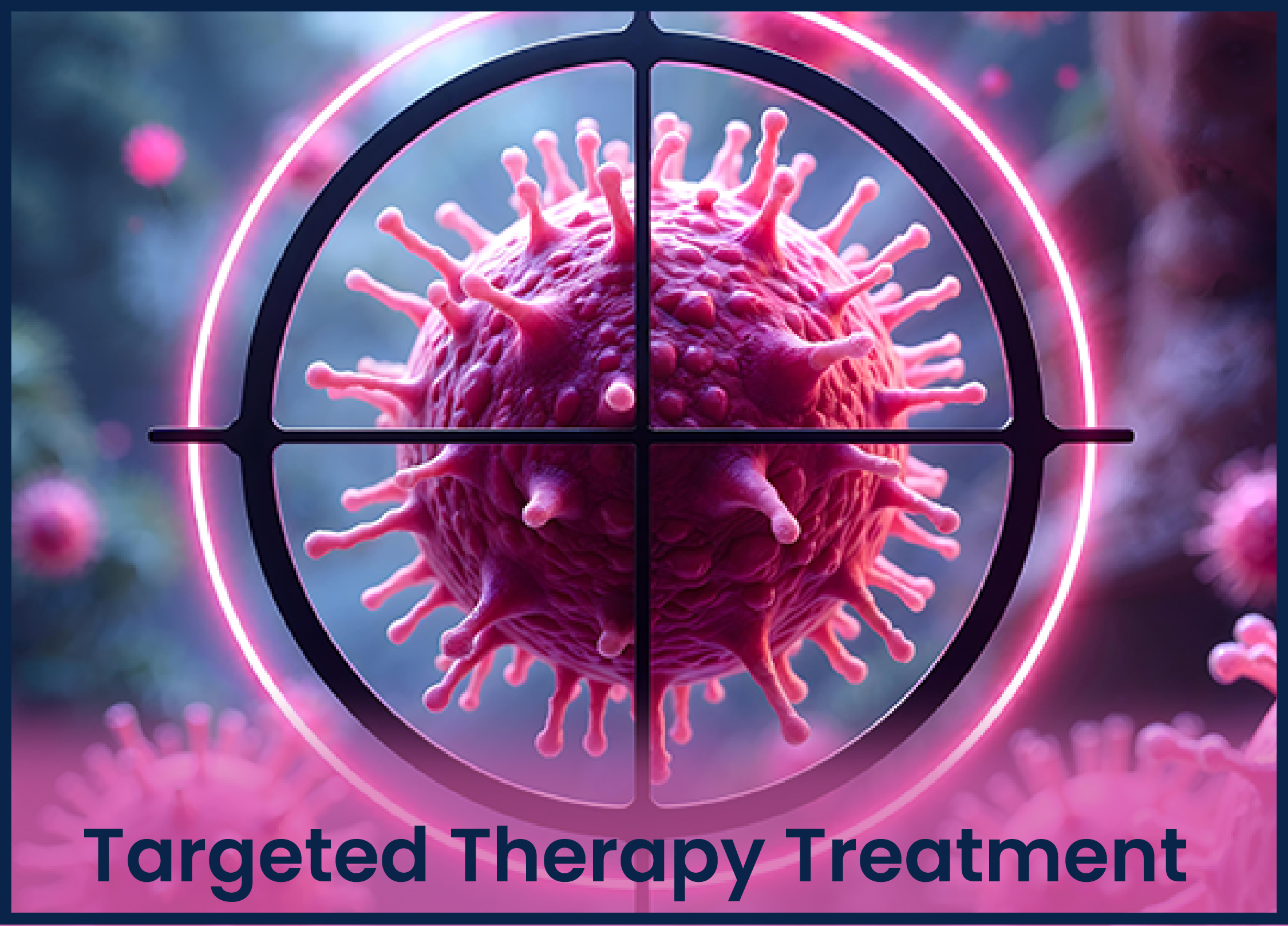
How Targeted Therapy Works?
Targeted therapy focuses on:
- Blocking abnormal genes that cause uncontrolled cell growth
- Inhibiting proteins that help cancer cells survive
- Cutting off blood supply that tumors depend on
- Triggering cancer-cell self-destruction (apoptosis)
- Preventing the spread of cancer cells to new areas
- Supporting the immune system through enhanced molecular pathways
This approach has transformed cancer care, allowing patients to receive treatments that are more effective, better tolerated, and personalized based on their tumor’s molecular behavior.
Why Targeted Therapy Is a Game-Changer in Cancer Treatment?
1. Attacks Specific Cancer Cell Genes or Proteins:
Targeted therapy identifies and focuses on cellular abnormalities unique to cancer cells. For example:
- HER2-positive breast cancer responds to anti-HER2 medications
- EGFR-mutated lung cancer benefits from EGFR inhibitors
- BRAF-mutated melanoma responds excellently to BRAF-targeting drugs
- ALK-positive lung cancer patients have dedicated ALK inhibitors
Instead of damaging tissues throughout the body, targeted therapy directly interferes with cancer-causing pathways making it a precision-driven, highly effective treatment option.
2. Spares Healthy Cells and Reduces Side Effects:
Because the treatment focuses primarily on cancer-specific targets, healthy cells are largely protected. This leads to:
- Fewer digestive side effects
- Lower chances of hair loss
- Reduced risk of severe nausea or working
- Lesser impact on immunity compared to chemotherapy
- Increased comfort and better quality of life
Although side effects still exist, they are typically milder and more manageable, allowing many patients to continue their daily routines, work, and family life with minimal disruption.
3. Personalized Based on Your Cancer Type:
One of the greatest strengths of targeted therapy is its personalization. At Solaris Oncology, we never use a one-size-fits-all approach. Before recommending targeted therapy, our team conducts:
- Genomic tests
- Molecular profiling
- Biomarker analysis
- Next-generation analysis (NGS)
- Histopathological evaluations
This ensures your treatment plan aligns precisely with the unique characteristics of your tumor. It is the cornerstone of precision oncology, helping deliver better response rates, improved survival outcomes, and tailored care that suits your specific needs.
Types of Targeted Therapy
Targeted therapy is not a single treatment; it is an umbrella term covering various scientifically designed drug categories.
1.Monoclonal Antibodies:
These are laboratory-made proteins that bind to specific targets on cancer cells. They work by:
- Blocking growth signals
- Preventing cancer spread
- BMarking cancer cells for immune destruction
- Delivering toxic substance directly into tumors
2.Small-Molecule Inhibitors:
These drugs enter cancer cells and block internal signals that fuel tumor growth. Types include:
- Tyrosine kinase inhibitors (TKIs)
- BRAF inhibitors
- MEK inhibitors
- CDK4/6 inhibitors
- PARP inhibitors
These medications are widely used in cancers such as:
- Breast cancer
- Lung cancer
- Melanoma
- Colorectal cancer
- Ovarian cancer
3.Angiogenesis Inhibitors:
These drugs stop tumors from forming new blood vessels, essentially starving cancer cells.
They are used in cancers such as colorectal cancer, kidney cancer, lung cancer, and more.
4.Hormone-Targeting Therapies:
Used for hormone-sensitive cancers like breast and prostate cancer, these treatments block hormone receptors or reduce hormone production.
5. Immune System Modulators:
Some targeted therapies work by enhancing the immune system’s response against cancer cells. These are often combined with immunotherapy for greater results.
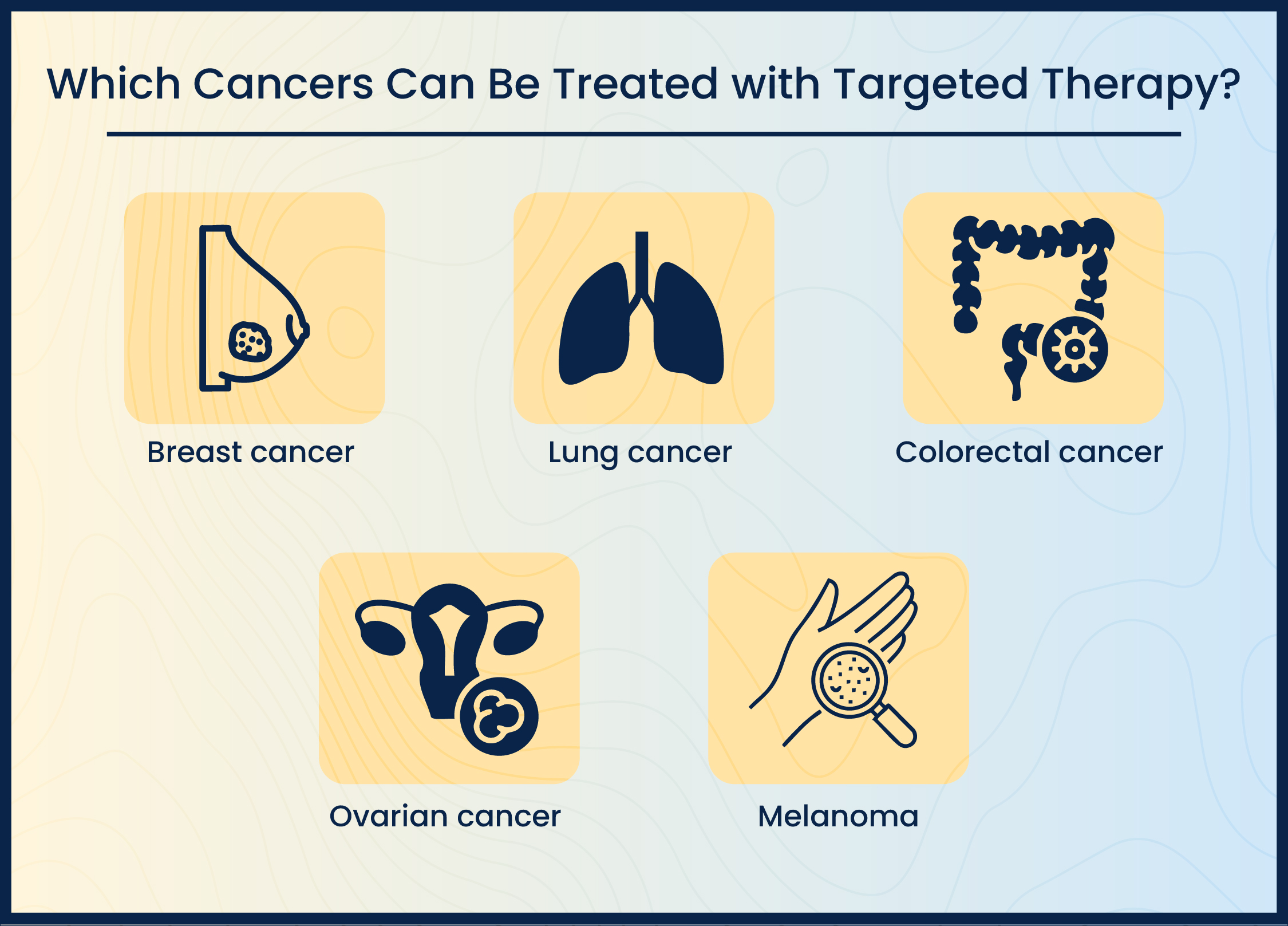
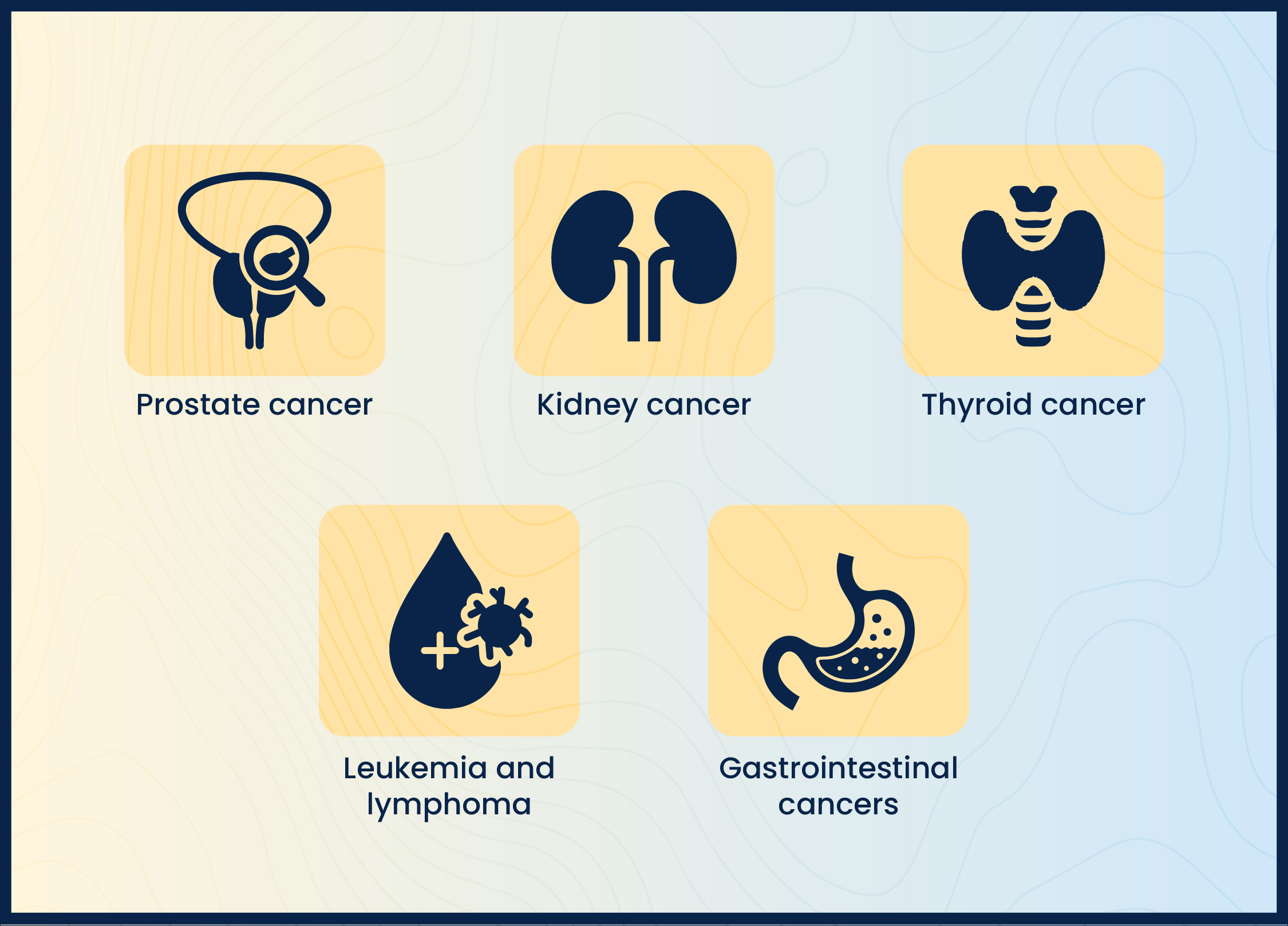
Which Cancers Can Be Treated with Targeted Therapy?
Targeted therapy is used across multiple cancer types, especially when specific genetic mutations or biomarkers are present.
Common cancer types treated with targeted therapies:
- Breast cancer (HER2+, HR+, BRCA-mutated)
- Lung cancer (EGFR, ALK, ROS1, MET, KRAS mutations)
- Colorectal cancer (RAS, BRAF, MSI-H)
- Ovarian cancer (BRCA-mutated)
- Melanoma (BRAF mutations)
- Prostate cancer
- Kidney cancer
- Thyroid cancer
- Leukemia and lymphoma
- Gastrointestinal cancers
How We Personalized Targeted Therapy at Solaris Oncology?
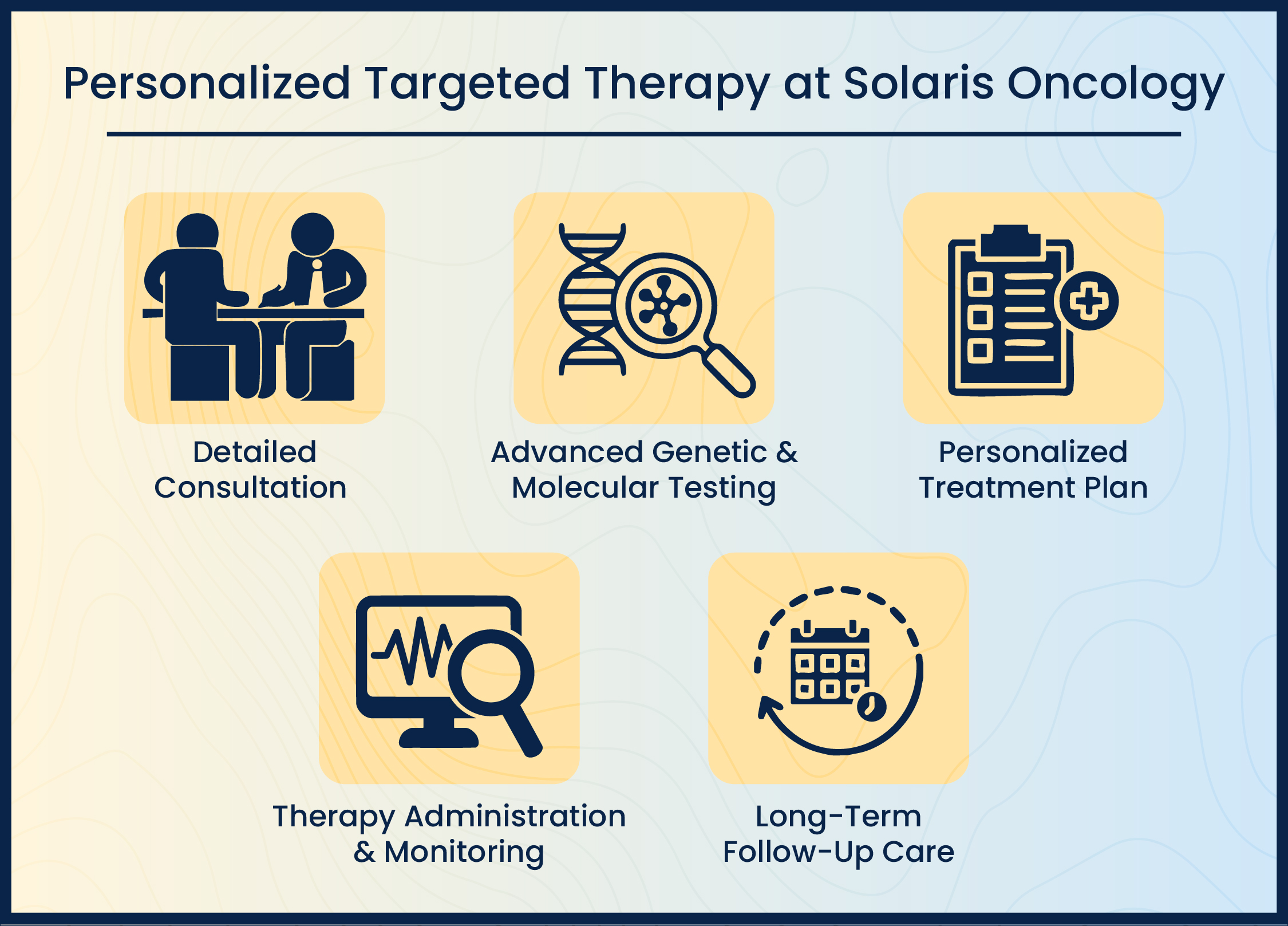
Delivering targeted therapy requires advanced diagnostic capabilities and expert clinical judgement. Our process includes:
Step 1: Detailed Consultation and Cancer Evaluation
Our oncology experts review your medical history, current disease stage, and previous treatments to determine if targeted therapy is suitable.
Step 2: Advanced Genetic & Molecular Testing
Using technologies such as next-generation sequencing (NGS), we examine your tumor’s DNA to identify actionable mutations. This enables ultra-precise treatment selection.
Step 3: Personalized Treatment Plan
Based on molecular insights, we create a treatment strategy aligned with:
- Cancer type
- Genetic mutations
- Your overall health
- Expected treatment response
- Latest global clinical evidence
Step 4: Therapy Administration & Monitoring
Targeted therapy may be administered through oral tablets or IV infusions.
We provide continuous monitoring to track:
- Treatment response
- Side effects
- Required dose adjustments
Step 5: Long-Term Follow-Up Care
Cancer treatment does not end with medication. We offer ongoing follow-up to ensure sustained results and early detection of any changes
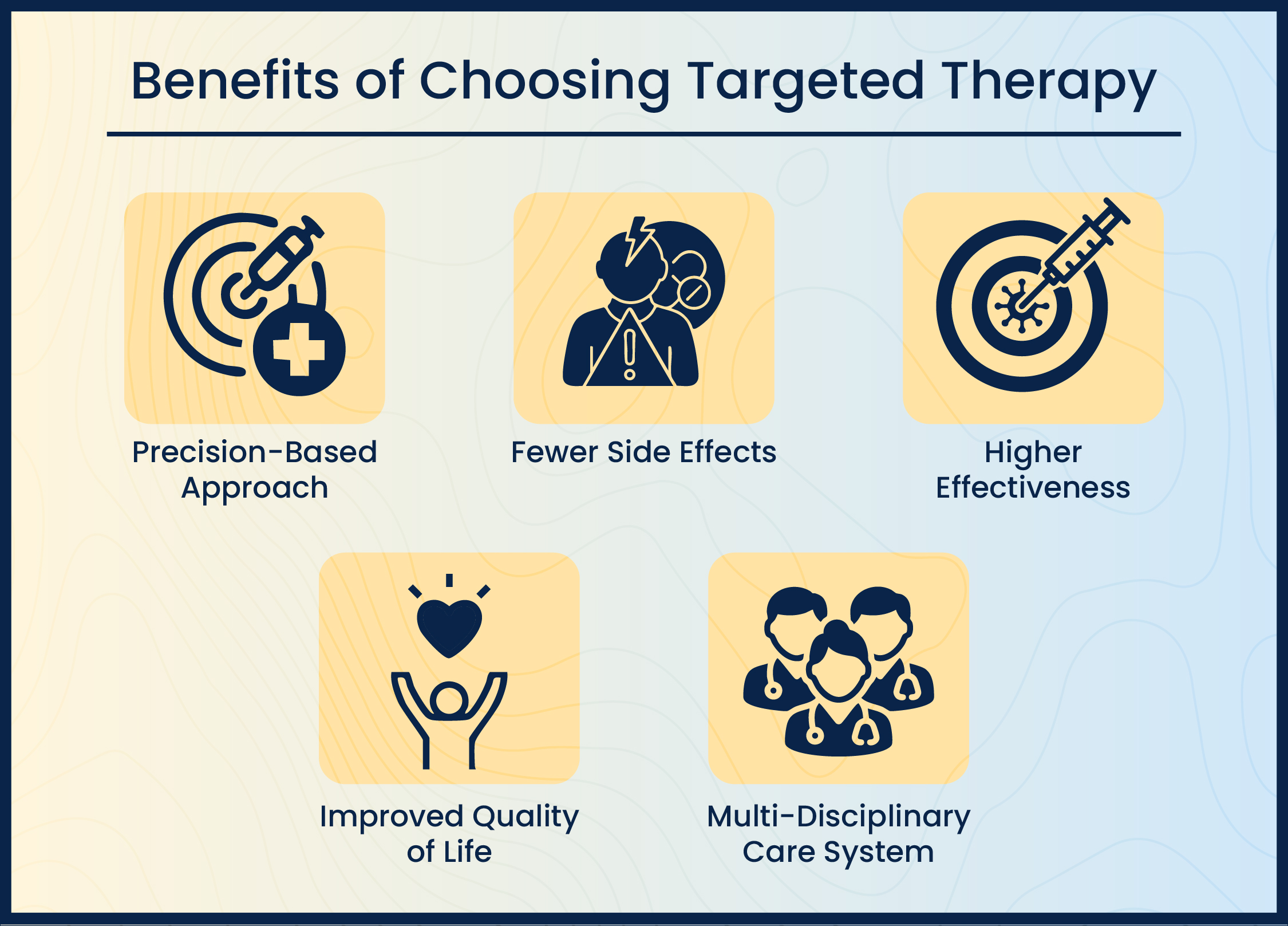
Benefits of Choosing Targeted Therapy at Solaris Oncology
1. Precision-Based Approach
Every patient receives treatment based on the molecular fingerprint of their cancer—nothing unnecessary, nothing generic.
2. Fewer Side Effects
Targeted therapy is known for being gentler on the body, offering better emotional and physical well-being during treatment.
3. Higher Effectiveness
When cancer express specific biomarkers, targeted therapy often shows better outcomes than chemotherapy alone.
4. Improved Quality of Life
Many targeted therapies are oral tablets taken at home—allowing patients tremendous flexibility.
5. Part of a Comprehensive, Multi-Disciplinary Care System
At Solaris Oncology, targeted therapy may be combined with:
- Chemotherapy
- Immunotherapy
- Hormone therapy
- Radiation therapy
- Surgical treatments
This multi-modal approach enhances treatment success while maintaining patient safety.
Side Effects of Targeted Therapy
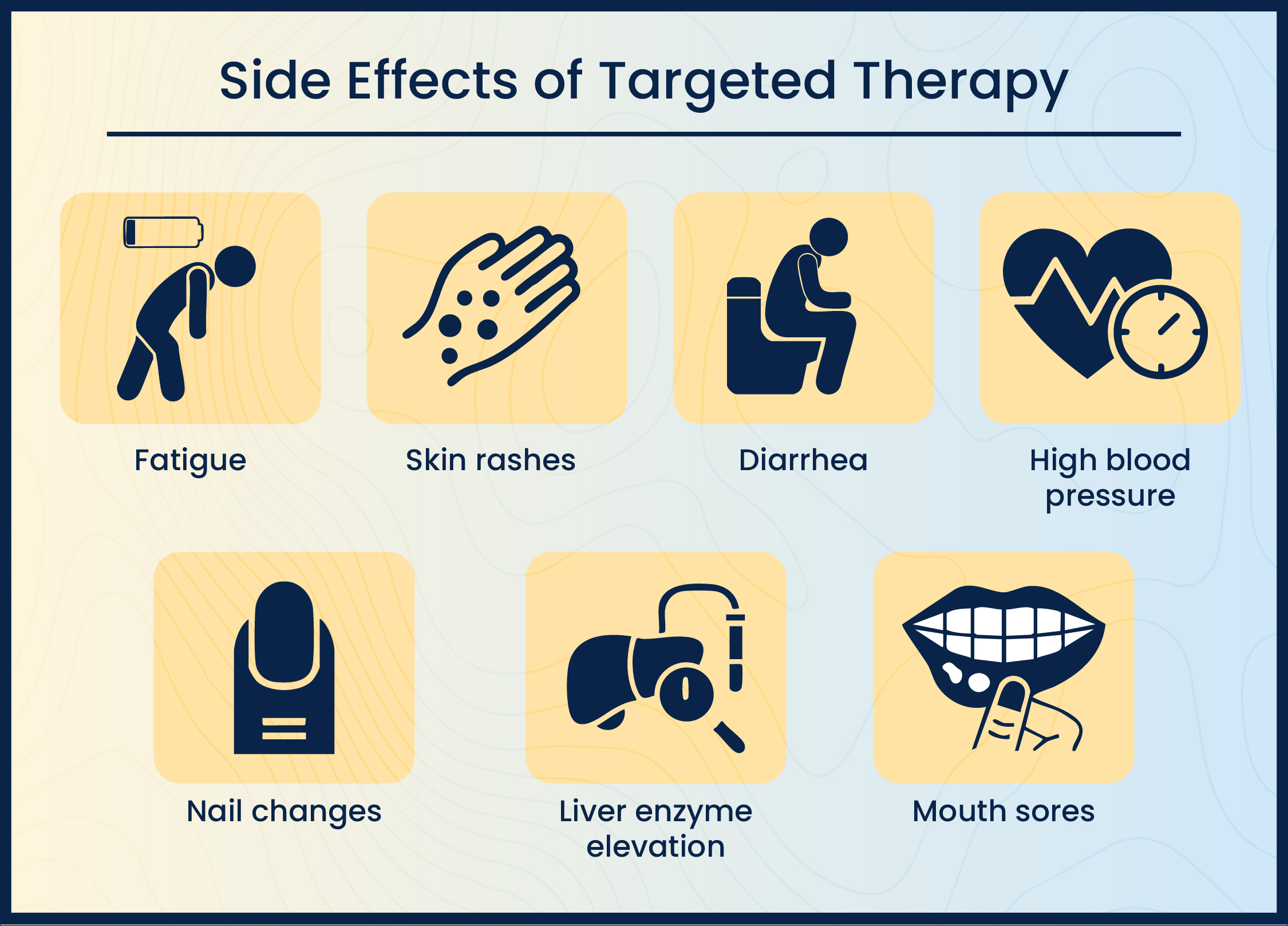
While targeted therapy is gentler, side effects may still occur, including:
- Fatigue
- Skin rashes
- Diarrhea
- High blood pressure
- Nail changes
- Liver enzyme elevation
- Mouth sores
Our supportive care team ensures these are effectively managed with proper guidance, medications, and monitoring.
Why Choose Solaris Oncology for Targeted Therapy?
Choosing the right Centre for cancer treatment significantly impacts treatment outcomes.
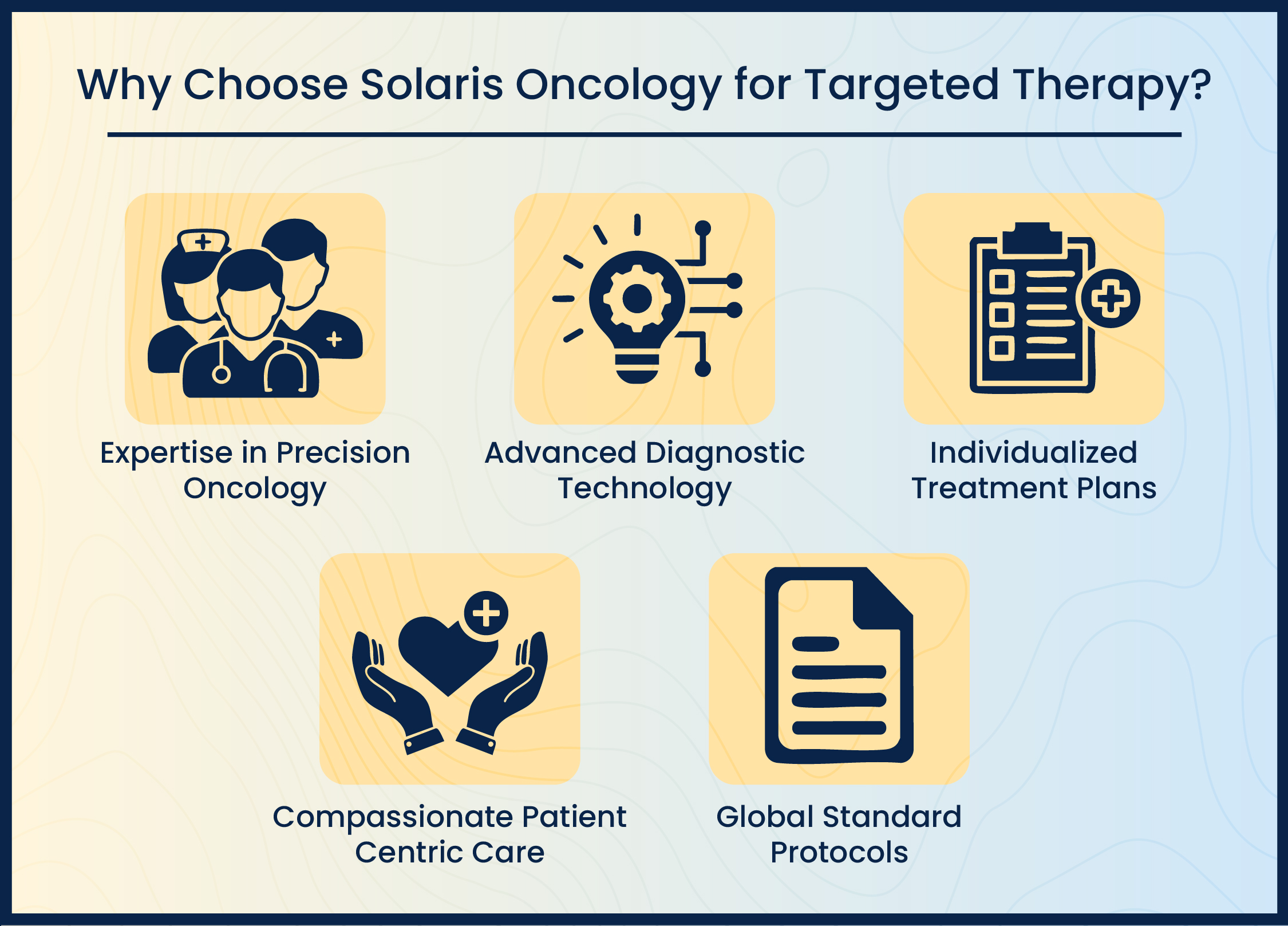
At Solaris Oncology, we offer:
1. Expertise in Precision Oncology: Our doctors have extensive experience in tailoring cancer therapy based on genetic profiles.
2. Access to Advanced Diagnostic Technology: We conduct sophisticated molecular tests that detect even rare cancer mutations.
3. Individualized Treatment Plans: Every patient receives a plan guided by research, clinical evidence, and advanced oncology practices.
4. Compassionate Patient-Centric Care: We support patients physically, emotionally, and mentally throughout their cancer journey.
5. Global Standard Protocols: We follow international treatment guidelines while ensuring affordability and accessibility.
Targeted therapy represents the future of cancer care smart, precise, and personalized. At Solaris Oncology, we combine cutting-edge treatments with compassionate care to help patients access the best possible outcomes. With our focus on personalized cancer treatment, precision oncology, and advanced cancer care, you can trust that your treatment plan is built on scientific accuracy and global expertise.
Whether you're newly diagnosed or exploring treatment options, Solaris Oncology is committed to providing world-class cancer care that focuses on your unique needs and long-term wellbeing.
Frequently Asked Questions (FAQ)
1. Is targeted therapy better than chemotherapy?
It depends on your cancer’s genetic profile. In many cases, targeted therapy is more effective and better tolerated.
2. Is targeted therapy safe?
Yes, it is considered safe with manageable side effects. Regular monitoring ensures your wellbeing.
4. Will I need genetic testing?
Yes. Molecular profiling is essential before starting targeted therapy.
5. How long does targeted therapy last?
Duration depends on the cancer type, stage, and response to treatment.
6. Is targeted therapy available for all cancers?
No. It works only when cancers show specific biomarkers or mutations.