
Precision Medicine for Cancer Treatment in Bangalore
Precision Oncology
Precision Medicine is an advanced, patient-centric approach to healthcare that tailors medical treatment based on an individual’s genetic makeup, lifestyle, environment, and unique disease biology. At Solaris Cancer Care, Precision Medicine plays a pivotal role in offering personalized cancer treatments that improve outcomes, reduce side effects, and enhance quality of life.
What Is Precision Medicine?
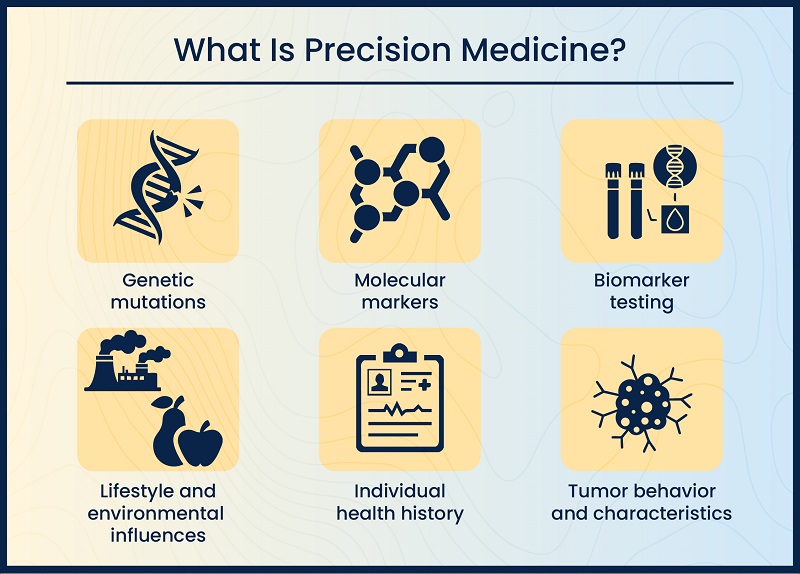
Precision Medicine is the opposite of “one-size-fits-all” treatment. Instead of giving the same therapy to every patient, precision medicine identifies what works best for each person based on:
1. Genetic mutations
2. Molecular markers
3. Biomarker testing
4. Lifestyle and environmental influences
5. Individual health history
6. Tumor behavior and characteristics
Precision medicine uses advanced diagnostics to understand the unique profile of a patient’s cancer, allowing doctors to select the most effective targeted therapies.
Why Precision Medicine Matters in Cancer Care
Every cancer is different, even if it starts in the same organ.
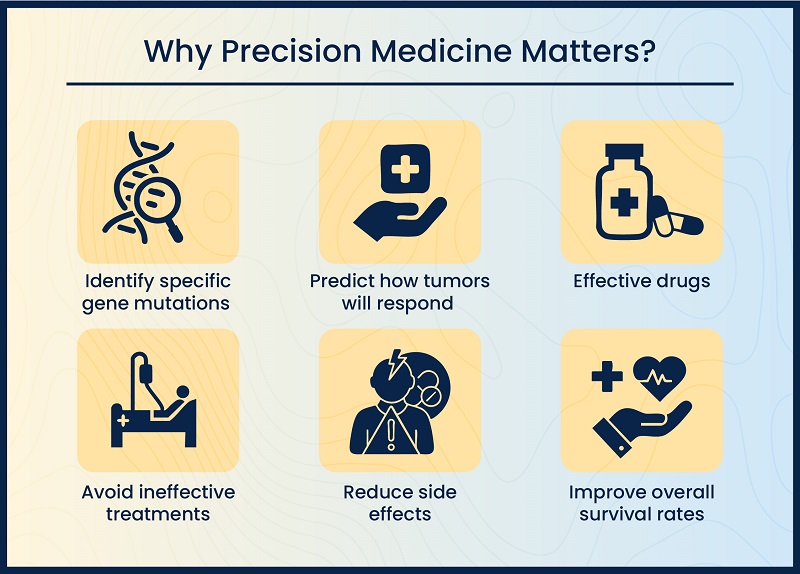
Two patients can have the same type of cancer but very different tumor genetics. Precision Medicine helps:
1. Identify specific gene mutations driving cancer
2. Predict how tumors will respond to treatment
3. Select the most effective drugs
4. Avoid ineffective treatments
5. Reduce side effects
6. Improve overall survival rates
Key Components of Precision Medicine at Solaris Cancer Care
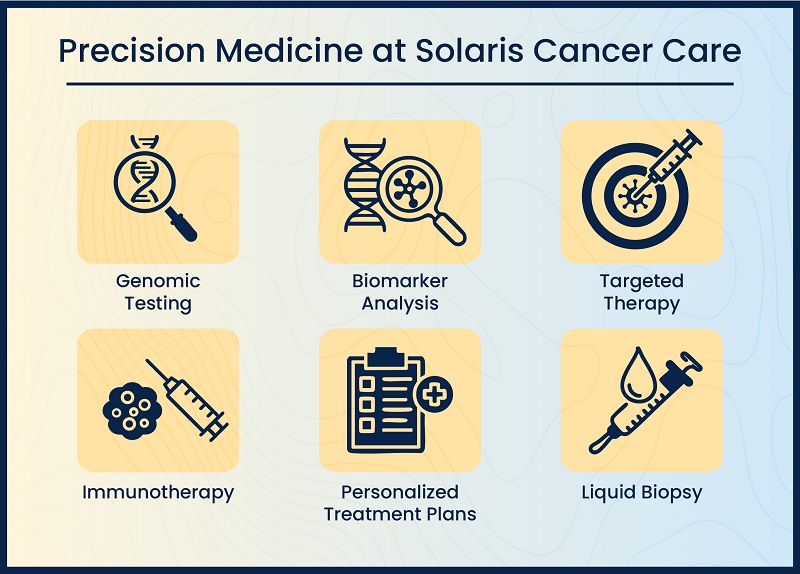
Every patient receives a customized treatment plan.
1. Genomic Testing: Comprehensive genomic tests analyze DNA changes within the tumor, helping identify mutations such as:
• EGFR
• ALK
• KRAS
• HER2
• BRAF
• BRCA1/2
These results guide treatment choices such as targeted therapy or immunotherapy.2. Biomarker Analysis: Biomarkers are measurable molecules in blood or tissues that indicate tumor behavior. Common biomarkers include:
• PD-L1
• MSI (Microsatellite Instability)
• TMB (Tumor Mutational Burden)
• Hormone receptor status (ER/PR)
• PSA levels (in prostate cancer)
Biomarker testing helps determine eligibility for personalized treatments.3. Targeted Therapy: Targeted therapy drugs precisely attack cancer cells based on genetic abnormalities while sparing healthy tissues. Examples:
• HER2 inhibitors
• EGFR inhibitors
• ALK inhibitors
• BRAF inhibitors
• PARP inhibitors
Targeted therapy results in fewer side effects and better treatment response.4. Immunotherapy: Immunotherapy uses the body’s own immune system to fight cancer. Precision testing identifies patients who benefit from:
• Immune checkpoint inhibitors
• CAR-T cell therapy
• Adoptive cell transfer
This approach is highly effective in cancers like melanoma, lung cancer, and lymphoma.5. Personalized Treatment Plans: Every patient receives a customized treatment plan that may include:
• Targeted therapy
• Immunotherapy
• Chemotherapy
• Hormone therapy
• Radiation therapy
• Supportive care
• Genetic counseling
6. Liquid Biopsy: A non-invasive blood test that detects tumor DNA circulating in the bloodstream. It helps:
• Monitor cancer progression
• Detect drug resistance mutations
• Track response to treatment
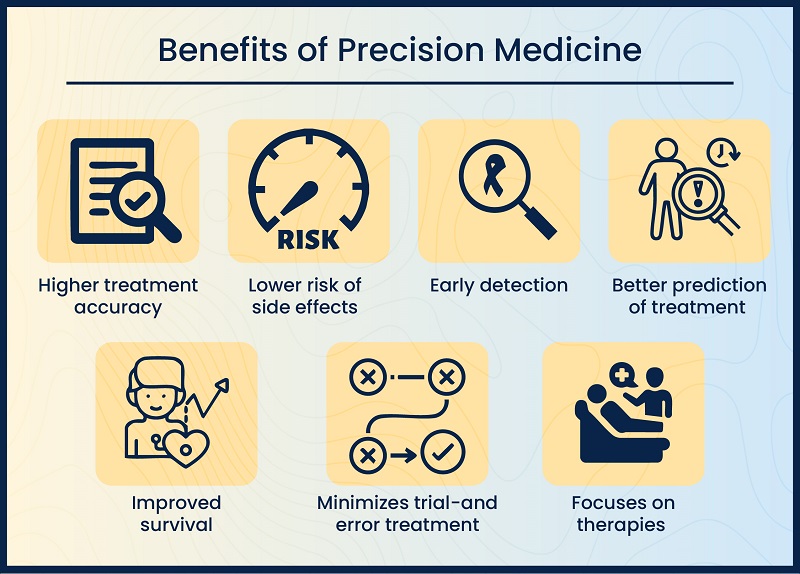
Benefits of Precision Medicine
1. Higher treatment accuracy
2. Lower risk of side effects
3. Early detection of cancer and recurrence
4. Better prediction of treatment response
5. Improved survival and long-term outcomes
6. Minimizes trial-and-error treatment
7. Focuses on therapies designed for your cancer’s biology
Precision Medicine at Solaris Cancer Care
Solaris Cancer Care integrates precision medicine into every stage of cancer treatment:
1. Advanced molecular testing
2. Specialized genetic counseling
3. Multidisciplinary tumor boards
4. Personalized drug selection
5. Continuous monitoring of treatment response
6. Use of international treatment guidelines (NCCN-based)
Our precision medicine team includes:
1. Medical oncologists
2. Molecular pathologists
3. Genetic counselors
4. Hematologists
5. Radiologists
6. Research specialists
Who Can Benefit From Precision Medicine?
Precision Medicine is beneficial for:
1. Patients with advanced or metastatic cancers
2. Patients with rare or aggressive tumors
3. Individuals with hereditary cancer risk
4. Patients who failed standard chemotherapy
5. Those evaluating targeted therapy or immunotherapy options
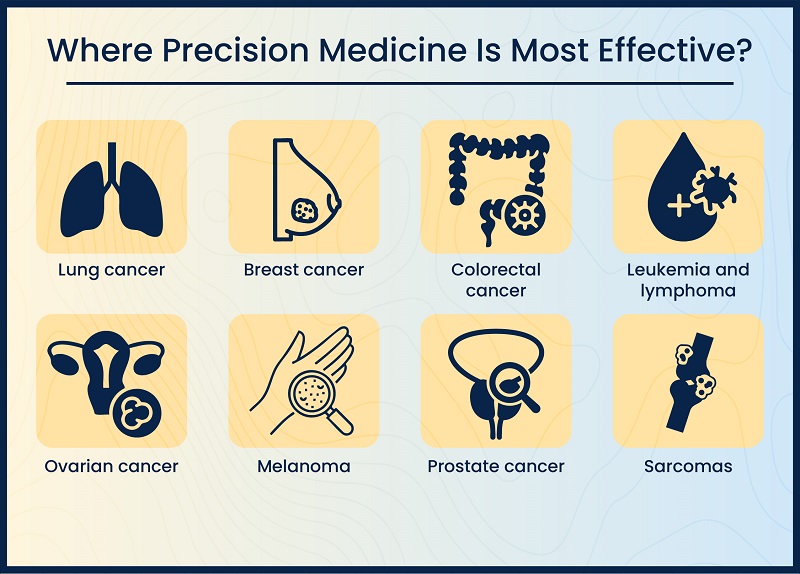
Conditions Where Precision Medicine Is Most Effective:
1. Lung cancer
2. Breast cancer
3. Colorectal cancer
4. Leukemia and lymphoma
5. Ovarian cancer
6. Melanoma
7. Prostate cancer
8. Sarcomas
The Future of Precision Medicine
The future of cancer treatment lies in precision. With advancements in AI, genomics, and personalized drug development, precision medicine is moving towards:
1. Predictive diagnostics
2. Customized cancer vaccines
3. Cell and gene therapy
4. Pharmacogenomics (drug–gene matching)
At Solaris, we are committed to staying at the forefront of precision oncology innovations.
Conclusion
Precision Medicine is transforming cancer care by providing personalized, accurate, and effective treatment strategies. By focusing on the unique genetic makeup of each patient, Solaris Cancer Care delivers world-class precision oncology designed to achieve the best possible outcomes with reduced side effects.
To know more or book a consultation, contact Solaris Cancer Care.