Advanced Brain Cancer Treatment in Bangalore by Expert Medical Oncologists
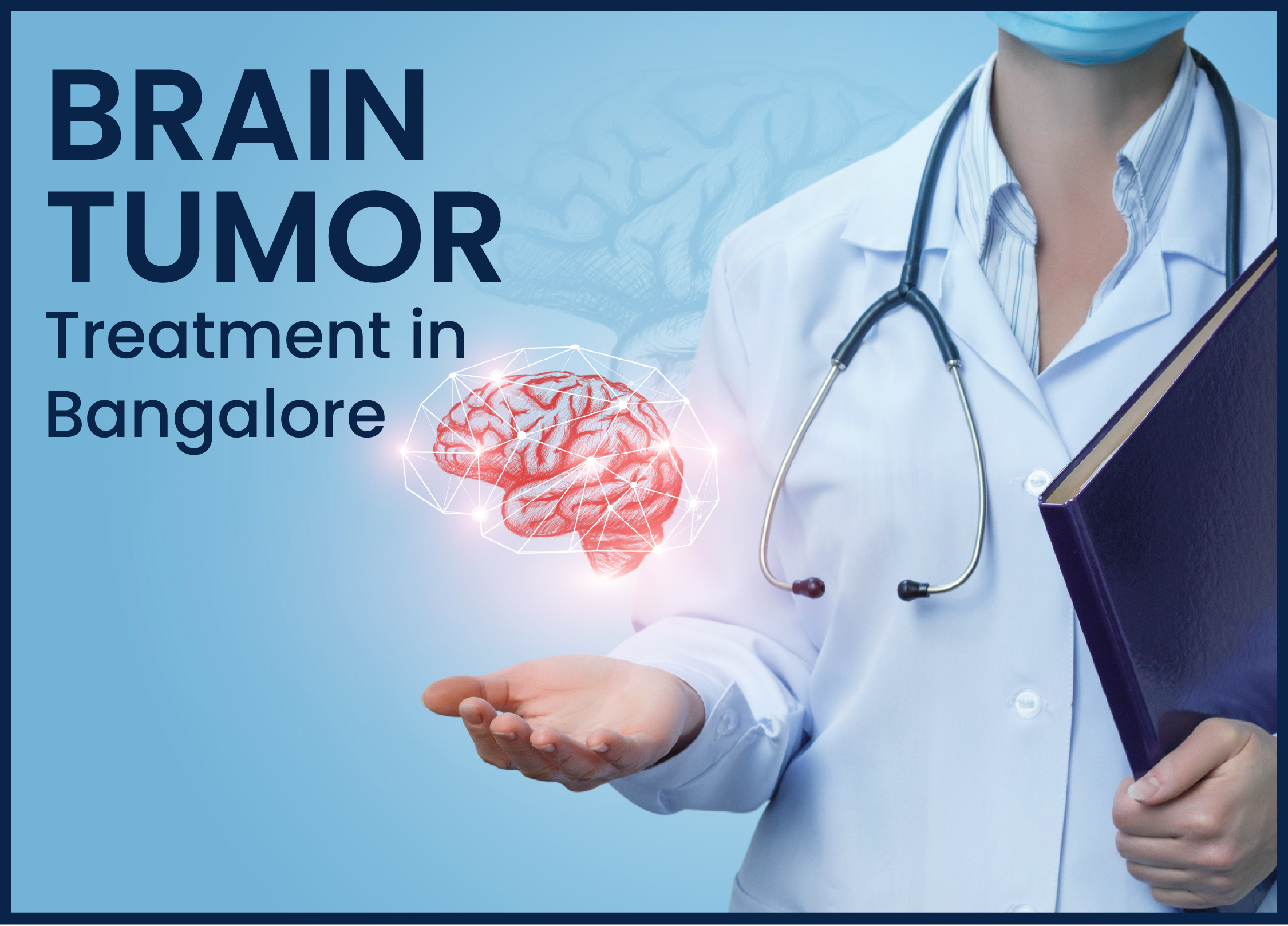
Brain Tumor Treatment in Bangalore
Health problems can change the pace of life in ways we never expect. Brain tumors are especially challenging because they touch not only the body but also the mind, emotions, and day-to-day living.
- There are about 308,000 new brain and nervous system cancer cases worldwide each year
- In India alone, nearly 40,000 people are diagnosed annually, and the numbers continue to rise
According to the World Health Organization (WHO):
Solaris Cancer Center Founder – Dr. (Lt. Col.) Manish Kumar, an accomplished Medical Oncologist in Bangalore, says:
It is important to identify early and nonspecific signs of underlying brain tumors. They can range from simple headache, giddiness, lack of direction sense, change in behavior and at times seizures.
“Brain tumors require early recognition and a holistic approach to treatment. No two patients are alike, so treatments must be tailored to each individual. Combining precision therapies with compassion helps patients and their families through this difficult time.”
Treatment Options of Brain Tumor
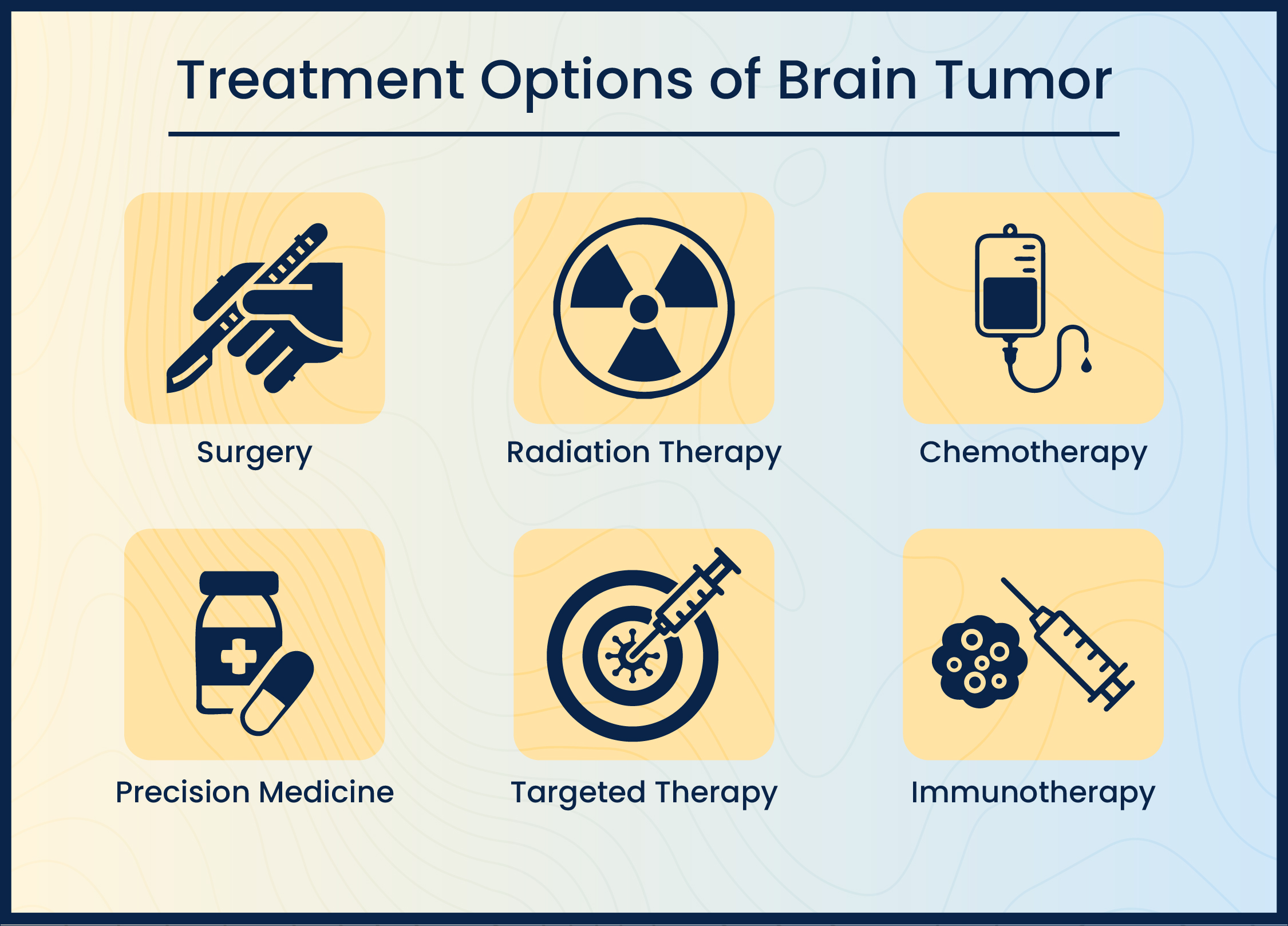
The management of brain tumors has advanced dramatically in the last decade. Solaris Cancer Center integrates modern science with a patient-first approach, offering treatments tailored to individual needs:
1. Brain Tumor Surgery: For operable tumors, surgery is often the first step. Skilled surgeons aim to remove as much of the tumor as possible while preserving neurological functions. Glioma which are the commonest brain tumors are managed by only surgery especially grade I & II, if they are not very deep seated in the brain. For higher grade like III and IV, surgery is the initial treatment for operable tumors.
2. Radiation Therapy: Outsourced through leading facilities, high-energy rays are directed at the tumor to destroy cancer cells, often used when surgery alone is insufficient. Radiation therapy is always used in grade III & IV glioma. It goes on for little over a month and given 30 times in that period.
3. Chemotherapy: Chemotherapy may be used in all grades of gliomas, though it is used less commonly in Grade II tumors but if certain parameters are seen we may advise using oral or injectable chemo depending upon the MGMT status of the patient which is a molecular test performed to see the effectiveness of the oral chemo. In grade III & IV it’s always the oral chemo which is used and in MGMT positive patients they work even better.
4. Precision Medicine: Customized treatment plans based on genetic testing of tumors ensure more accurate results.
5. Targeted Therapy: Targeted therapies are used only in recurrent glioma setting. Commonest drug used in Bevacizumab which is a VEGF inhibitor. Other targeted agents may be used depending upon the molecular profile of the patient which is checked doing NGS (Next generation sequencing)
6. Immunotherapy: Immunotherapy so far has proven to be a successful option for gliomas because they are not known to be immunogenic tumors. Plenty of clinical trials are underway to check their effectiveness in this setting.
Dr. Natraj Naidu, a highly-skilled Surgical Oncologist and Robotic surgeon in Bangalore, and Head of surgical oncology Department at Solaris, emphasizes:
“What sets brain cancer treatment in Bangalore apart today is the integration of surgery, drugs, and targeted therapies into a seamless plan. Each step must be designed carefully to give patients the best possible outcome without overwhelming them physically or emotionally.”
Types of Brain Tumors Treated in Solaris Cancer Center
At Solaris Cancer Center, patients receive comprehensive care for both primary (originating in the brain) and secondary (spread from other organs) tumors:
1. Gliomas: Tumors that develop in the brain’s supportive tissues.
2. Meningiomas: Usually slow-growing tumors that form in the membranes covering the brain.
3. Pituitary Tumors: Affect hormone regulation and body balance.
4. Medulloblastomas: More common in children, requiring specialized pediatric care.
5. Metastatic Brain Tumors: Secondary cancers that spread to the brain from other organs like the lungs or breasts.
Stages and Grading of Brain Tumors
The process of treating lung cancer at Solaris Cancer Center is organized and personalized so that each step is tailored according to the needs of the patient:
Brain tumors especially gliomas are often graded based on how abnormal the cells look and how quickly they grow. This helps doctors decide on the most effective treatment approach.
Here’s how tumors are categorized:
Grade I (Low-grade, slow growing): Cells appear nearly normal, and growth is usually limited.
Grade II: Tumors grow slowly but can spread into nearby tissue, requiring close monitoring.
Grade III: Cells look abnormal and grow actively. These tumors are more aggressive.
Grade IV (High-grade, aggressive): Includes glioblastomas, which grow rapidly and need immediate intervention.
Dr. Kumar, a respected cancer specialist in Bangalore, explains:
“Grading is crucial because it helps us strike the right balance between removing or reducing the tumor and preserving the brain’s delicate functions. A Grade I tumor might be monitored post-surgery for years, while a Grade IV tumor needs rapid and aggressive treatment. This understanding helps patients and families make informed decisions.”
Why Solaris Cancer Center for Brain Tumor Treatment in Bangalore
When searching for the best brain tumor treatment center, patients often look for expertise, advanced technology, and a compassionate environment. Solaris Cancer Center brings all three together.
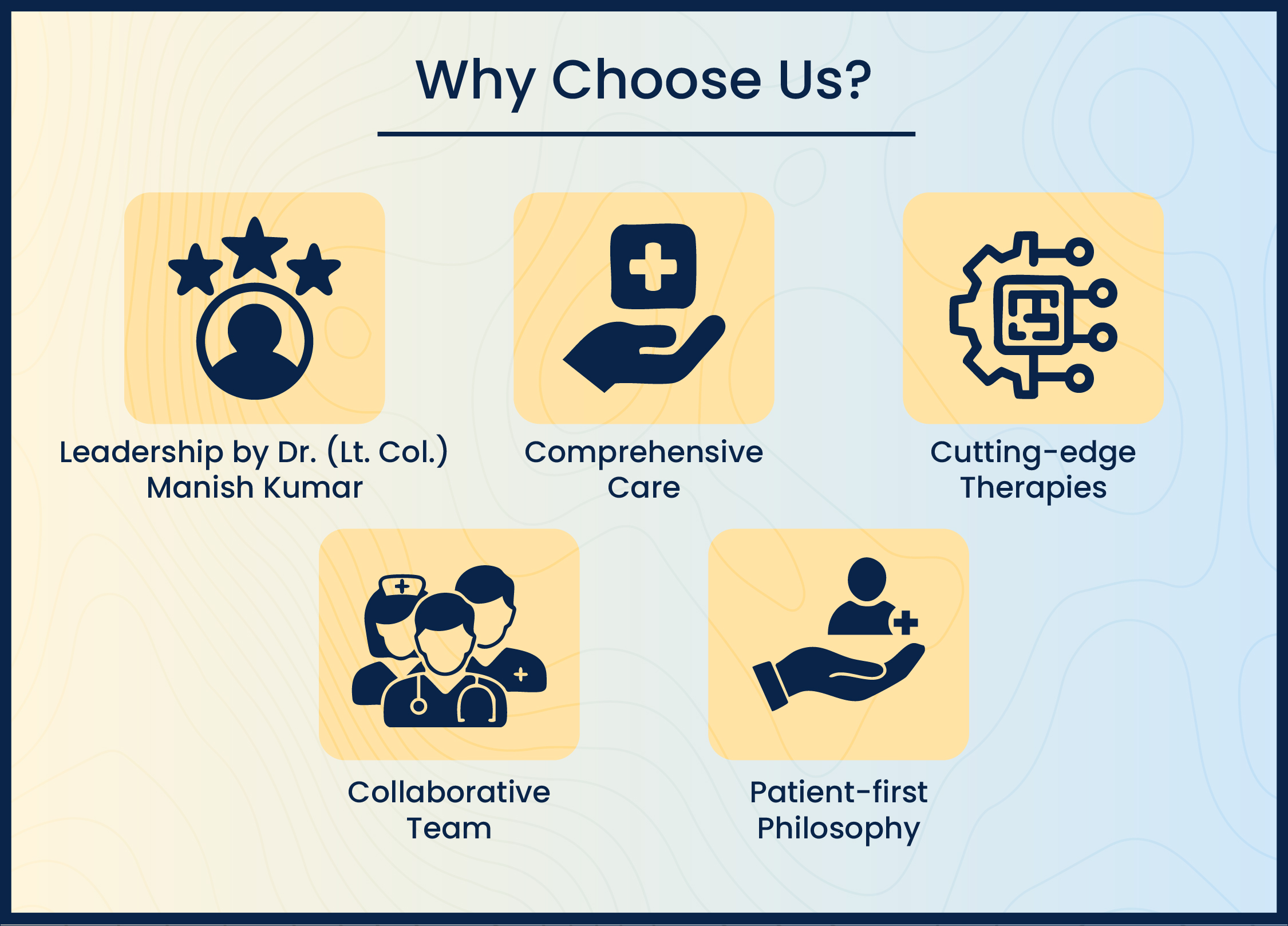
Here’s why many patients trust Solaris:
1. Leadership by Dr. (Lt. Col.) Manish Kumar: A distinguished oncologist with over 25 years of clinical experience.
2. Comprehensive CareFrom diagnosis to rehabilitation, all aspects of treatment are coordinated.
3. Cutting-edge TherapiesAccess to modern chemotherapy, immunotherapy, and precision medicine.
4. Collaborative TeamSpecialists across oncology, surgery, and public health work together.
5. Patient-first PhilosophyIndividualized care that prioritizes comfort, dignity, and affordability.
Many families seeking advanced and compassionate Brain Tumor Treatment in Bangalore place their trust in Solaris Cancer Center.
Frequently Asked Questions:
1. Can all brain tumors be cured?
Not all brain tumors can be completely cured. While benign tumors may be removed surgically with good outcomes, malignant or aggressive tumors may only be controlled if they progress to advanced stages. The goal is often to extend survival and improve quality of life.
2. What are the chances of recurrence after treatment?
Recurrence depends on tumor type and grade. Low-grade tumors may not return for many years, while aggressive ones like glioblastomas may reappear sooner. Regular monitoring helps detect changes early.
3. Do brain tumor patients need rehabilitation?
Yes, rehabilitation is often needed. Depending on the impact of the tumor or treatment, patients may require physical therapy, speech therapy, or cognitive exercises to regain independence.
4. What lifestyle changes help after brain tumor treatment?
A balanced diet, stress management, adequate sleep, regular light exercise, and avoiding smoking or alcohol can support recovery. Emotional support through counseling also plays an important role.
5. Can children get treated for brain tumors in Bangalore?
Yes, children with brain tumors receive specialized pediatric oncology care. Treatments are tailored to their age, growth, and overall well-being to ensure the best outcomes.
Disclaimer:The information shared in this content is for educational purposes and not for promotional use.