Advanced Chemotherapy Treatment in Bangalore by the Best Medical Oncologists
Chemotherapy Treatment
Introduction
Chemotherapy is one of the most widely used and effective treatments in modern cancer care. At Solaris Oncology, we provide comprehensive, personalised, and scientifically backed chemotherapy services designed to fight cancer with maximum precision and the highest level of patient comfort. Using powerful anti-cancer drugs, our expert oncology team works to destroy cancer cells, stop their growth, and prevent them from returning.
Whether chemotherapy is used as a primary treatment, before surgery (neoadjuvant), after surgery (adjuvant), or in combination with radiation or targeted therapy, our centre ensures the safest and most effective treatment experience for every patient.
At Solaris Oncology, we follow globally approved chemotherapy protocols, the latest research-based regimens, and personalised treatment plans to deliver care that matches international cancer centres.
What Is Chemotherapy?
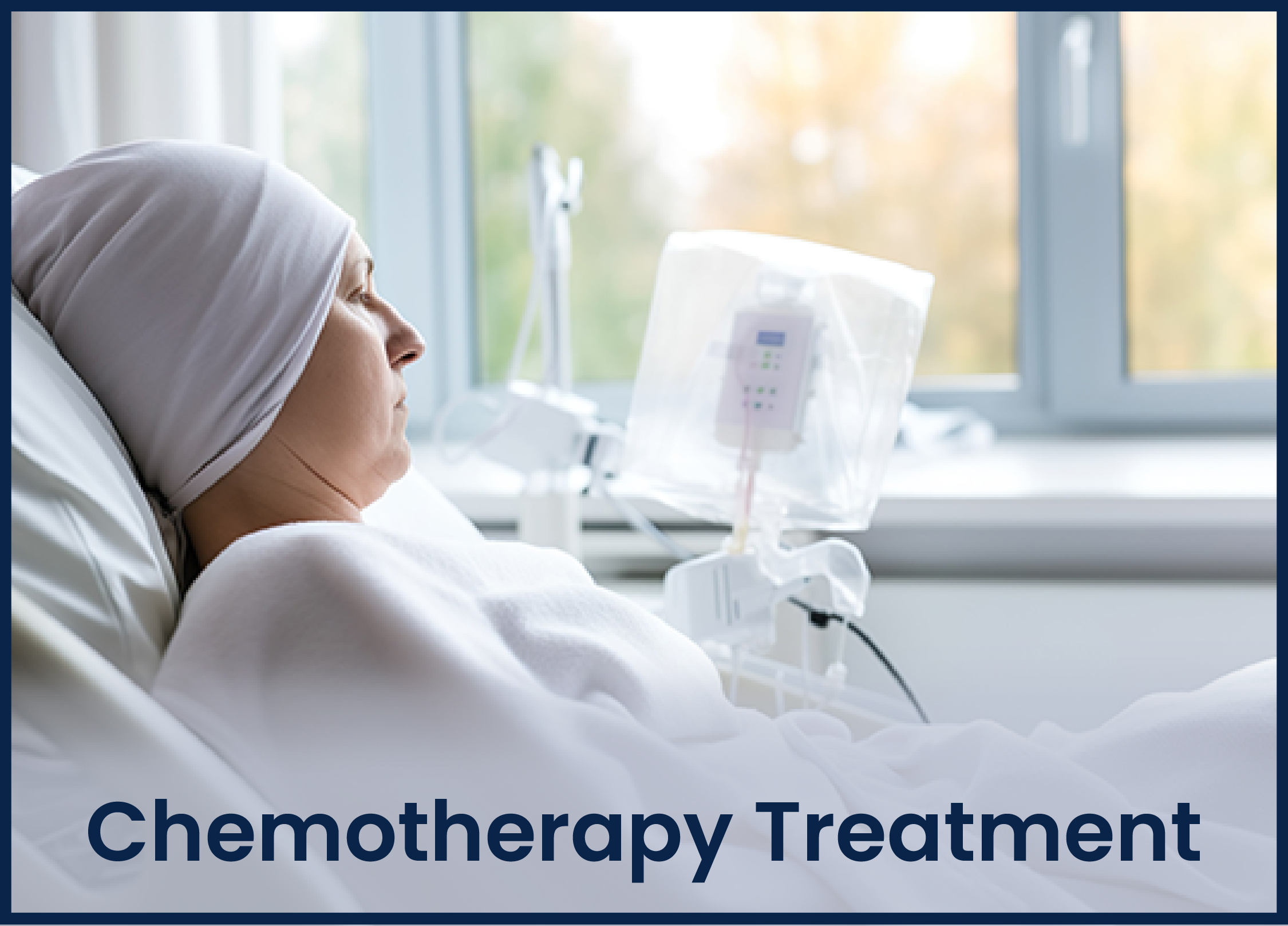
Chemotherapy is a cancer treatment that uses powerful drugs to kill cancer cells or stop them from multiplying. These drugs circulate through the bloodstream and reach cancer cells anywhere in the body, making chemotherapy an excellent option for cancers that have spread (metastasised) or those that require systemic treatment.
- Orally – in the form of pills, capsules, or liquids
- Intravenously (IV) – directly into the vein
- Injection – under the skin or into the muscle
- Intrathecal – into the spinal fluid
- Topically – applied on the skin (rarely used in cancer care)
Chemotherapy can be given in different ways, including:
Topically – applied on the skin (rarely used in cancer care) At Solaris Oncology, most chemotherapy treatments are delivered through IV infusion under the supervision of a trained medical oncology team. Each session is monitored closely to ensure patient safety and comfort.
Why Chemotherapy Is Used in Cancer Treatment?
Chemotherapy plays multiple roles in cancer management, depending on the stage, type, and aggressiveness of the disease. It is not a one-size-fits-all treatment; instead, it is highly personalised.
- Destroy microscopic cancer cells left behind
- Reduce the chance of recurrence
- Improve long-term survival rates
- Destroy microscopic cancer cells left behind
- Reduce the chance of recurrence
- Improve long-term survival rates
- Radiation therapy to enhance cancer-killing effect
- Targeted therapy for precision treatment
- Immunotherapy to boost the body’s immune response
- Hormone therapy in certain cancers like breast and prostate cancer
- Reduce cancer symptoms
- Improve quality of life
- Manage pain or discomfort caused by tumor growth
1.To Kill Cancer Cells: Chemotherapy drugs target rapidly dividing cells, making them effective in destroying cancer cells. These drugs interfere with the cancer cell's ability to grow, divide, and spread.
2.To Stop Cancer From Growing:: In cases where cancer cannot be completely removed, chemotherapy helps slow down or control its growth, helping patients live longer and maintain a better quality of life.
3.Before Surgery (Neoadjuvant Chemotherapy):
After removing the tumour through surgery, chemotherapy is often given to:
4.After Surgery (Adjuvant Chemotherapy):
After removing the tumour through surgery, chemotherapy is often given to:
5.Along With Radiation or Other Treatments:
Chemotherapy may be combined with:
6.As Palliative Treatment:
Chemotherapy can also be used to:
This type of chemotherapy is meant to help patients feel better and live longer, even if the cancer cannot be cured.
How Chemotherapy Works?
Chemotherapy drugs work by attacking cells that divide quickly. Since cancer cells grow and divide faster than normal cells, they are more vulnerable to chemotherapy.
- Destroy microscopic cancer cells left behind
- Reduce the chance of recurrence
- Improve long-term survival rates
The drugs may:
However, some normal cells like hair cells, blood cells, and cells lining the digestive system also divide quickly. This is why chemotherapy can cause side effects such as hair loss, nausea, and fatigue.
At Solaris Oncology, we use advanced supportive care and modern anti-nausea medicines that help minimise side effects and make chemotherapy more comfortable.
Types of Chemotherapy Offered at Solaris Oncology
Our cancer specialists provide a wide range of chemotherapy regimens depending on the type of cancer:
1. Standard Chemotherapy
Traditional anti-cancer drugs given intravenously or orally.
2. Combination Chemotherapy
Two or more drugs are given together to increase effectiveness. This is common in breast cancer, colon cancer, lymphoma, and lung cancer.
3. High-Dose Chemotherapy
Used in certain cancers like lymphoma or multiple myeloma, often followed by a stem cell transplant.
4. Neoadjuvant & Adjuvant Chemotherapy
To shrink tumours before surgery and eliminate remaining cancer cells after surgery.
5. Metronomic Chemotherapy
Low-dose, continuous chemotherapy that targets tumour blood supply, often used in elderly or frail patients.
6. Precision-Based Chemotherapy
Chemotherapy selected based on genetic profiling or tumour characteristics to improve outcomes.
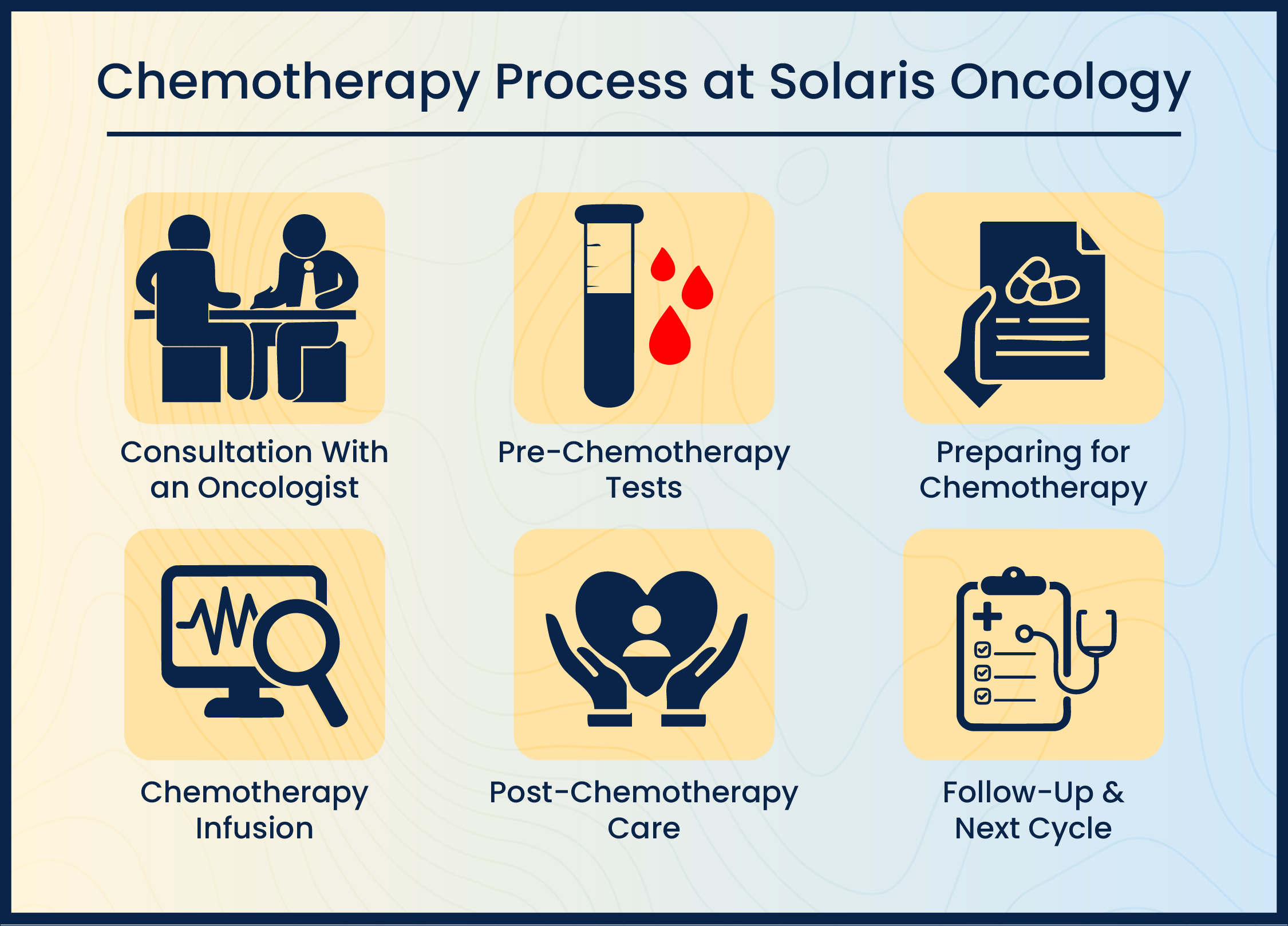
The Chemotherapy Process at Solaris Oncology:
We ensure a smooth, comfortable, and well-organised chemotherapy journey for every patient. Here is what the process typically looks like:
1. Consultation With an Oncologist:
Your medical oncologist will:
- Review your medical history
- Understand cancer type, stage, and spread
- Recommend the best chemotherapy regimen
- Explain treatment cycles and expected results
2. Pre-Chemotherapy Tests:
Before starting chemotherapy, the doctor may order:
- Blood tests
- Kidney and liver function tests
- ECG or heart tests (if certain drugs are used)
- Imaging scans
These tests ensure your body is ready for the treatment.
3. Preparing for Chemotherapy:
Patients receive instructions such as:
- What to eat or avoid
- When to take supportive medications
- How to manage side effects
- Hydration and rest requirements
4. Chemotherapy Infusion:
Most chemotherapy drugs are given:
- Via IV infusion in a comfortable recliner
- Under continuous monitoring
- In a calm and hygienic chemotherapy day-care unit
Infusions may take 30 minutes to several hours, depending on the drug.
5. Post-Chemotherapy Care:
After treatment, patients are observed briefly. The care team provides:
- Anti-nausea medications
- Hydration support
- Dietary guidance
- Emergency instructions
You can usually go home on the same day unless it is an inpatient chemotherapy regimen.
6. Follow-Up & Next Cycle:
- Chemotherapy is given in cycles, with rest periods in between to allow your body to recover. Regular blood tests and consultations ensure the treatment is working effectively.
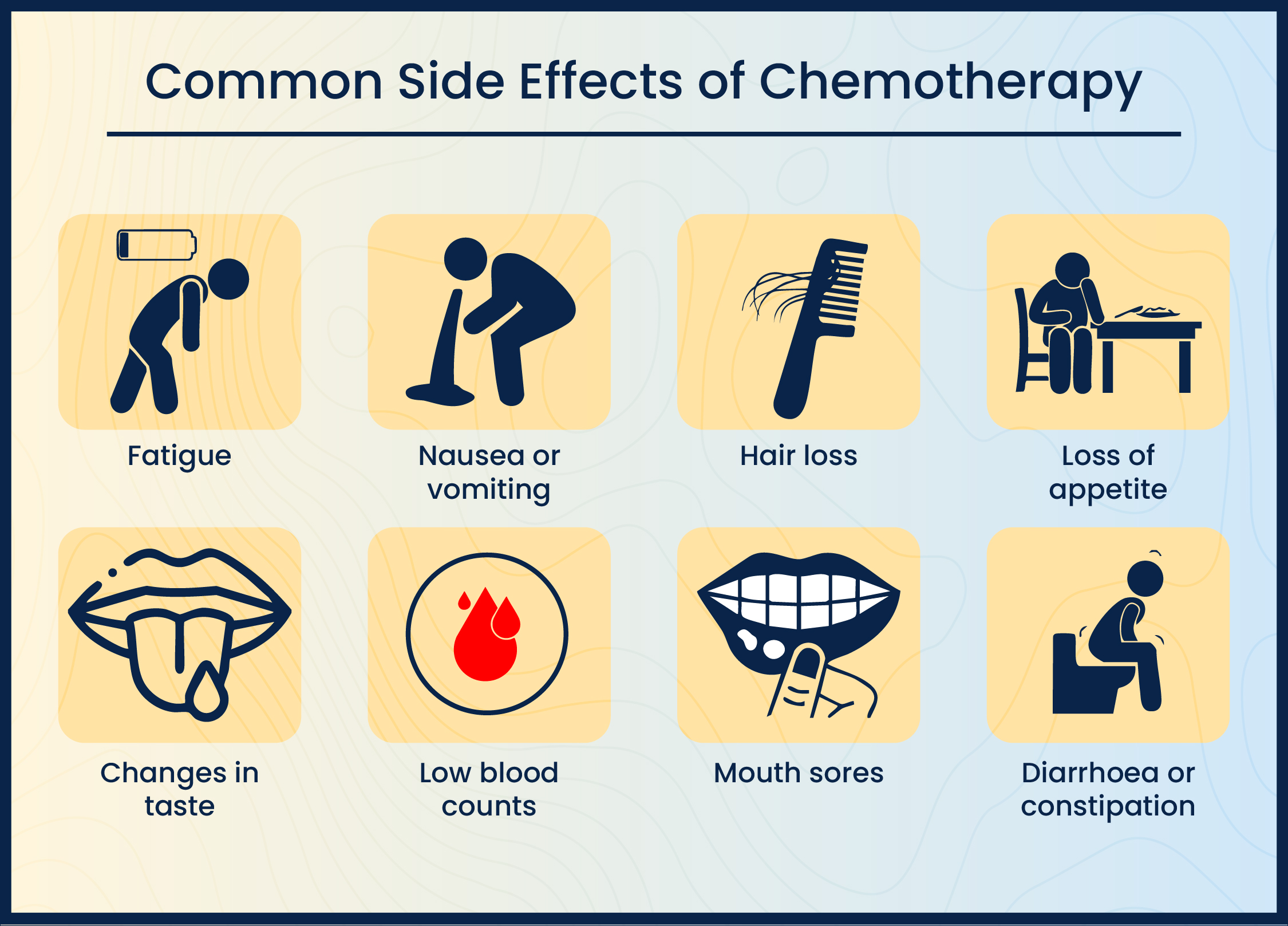
Common Side Effects of Chemotherapy:
Side effects vary from person to person. Our oncology team works continuously to minimise discomfort.
- Fatigue
- Nausea or vomiting
- Hair loss
- Loss of appetite
- Changes in taste
- Low blood counts
- Mouth sores
- Diarrhoea or constipation
Common side effects include:
At Solaris Oncology, we use advanced supportive care to reduce side effects significantly. Many patients lead normal lives and continue daily activities during treatment.
Benefits of Chemotherapy at Solaris Oncology:
1. Experienced Medical Oncology Team
Our chemotherapy services are led by highly experienced cancer specialists who follow evidence-based international protocols
2. Personalised Treatment Plans
We offer a specialised infusion centre with:
- Comfortable seating
- Skilled nurses
- Emergency equipment
- Infection-controlled environment
3. Complete Supportive Care
We ensure minimal side effects using:
- Latest anti-nausea medicines
- Growth factors
- Pain management
- Nutritional support
- Psychological counselling
We ensure minimal side effects using:
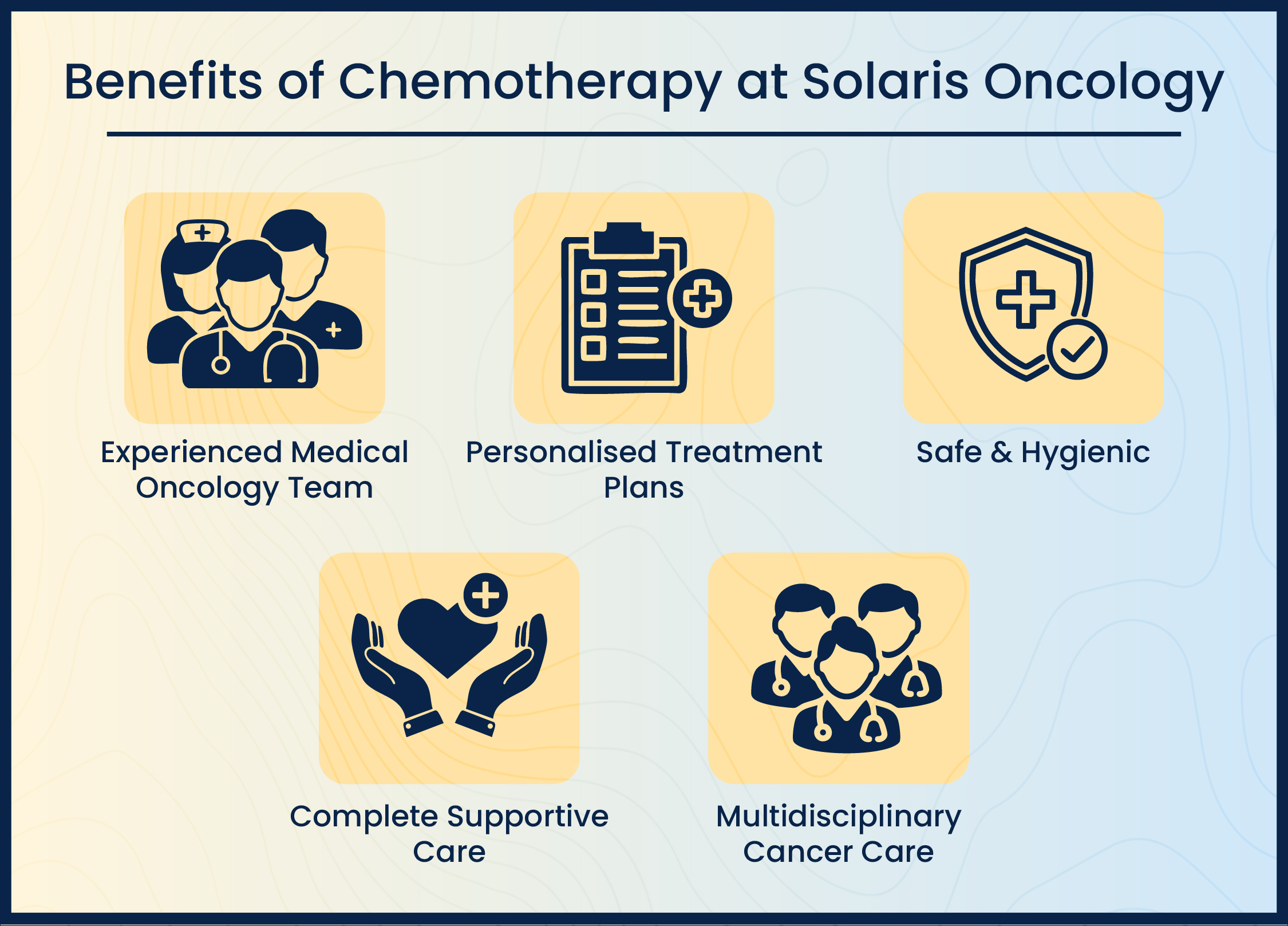
4. Multidisciplinary Cancer Care
Chemotherapy is often part of a broader treatment plan that includes radiation, surgery, immunotherapy, or targeted therapy. Our team works together to offer comprehensive cancer care.
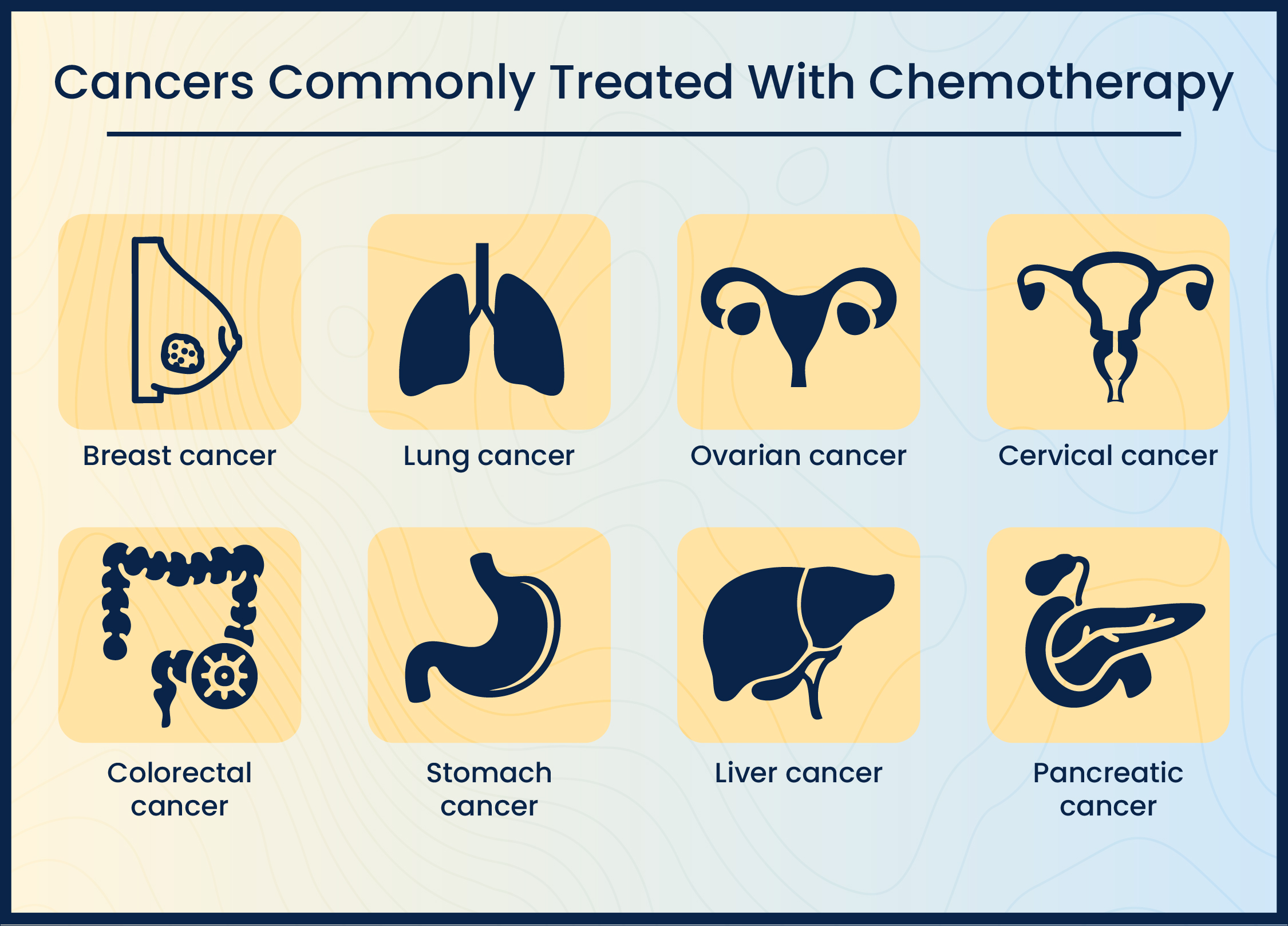
Cancers Commonly Treated With Chemotherapy:
Chemotherapy is used for many cancers, including:
- Breast cancer
- Lung cancer
- Ovarian cancer
- Cervical cancer
- Colorectal cancer
- Stomach cancer
- Liver cancer
- Pancreatic cancer
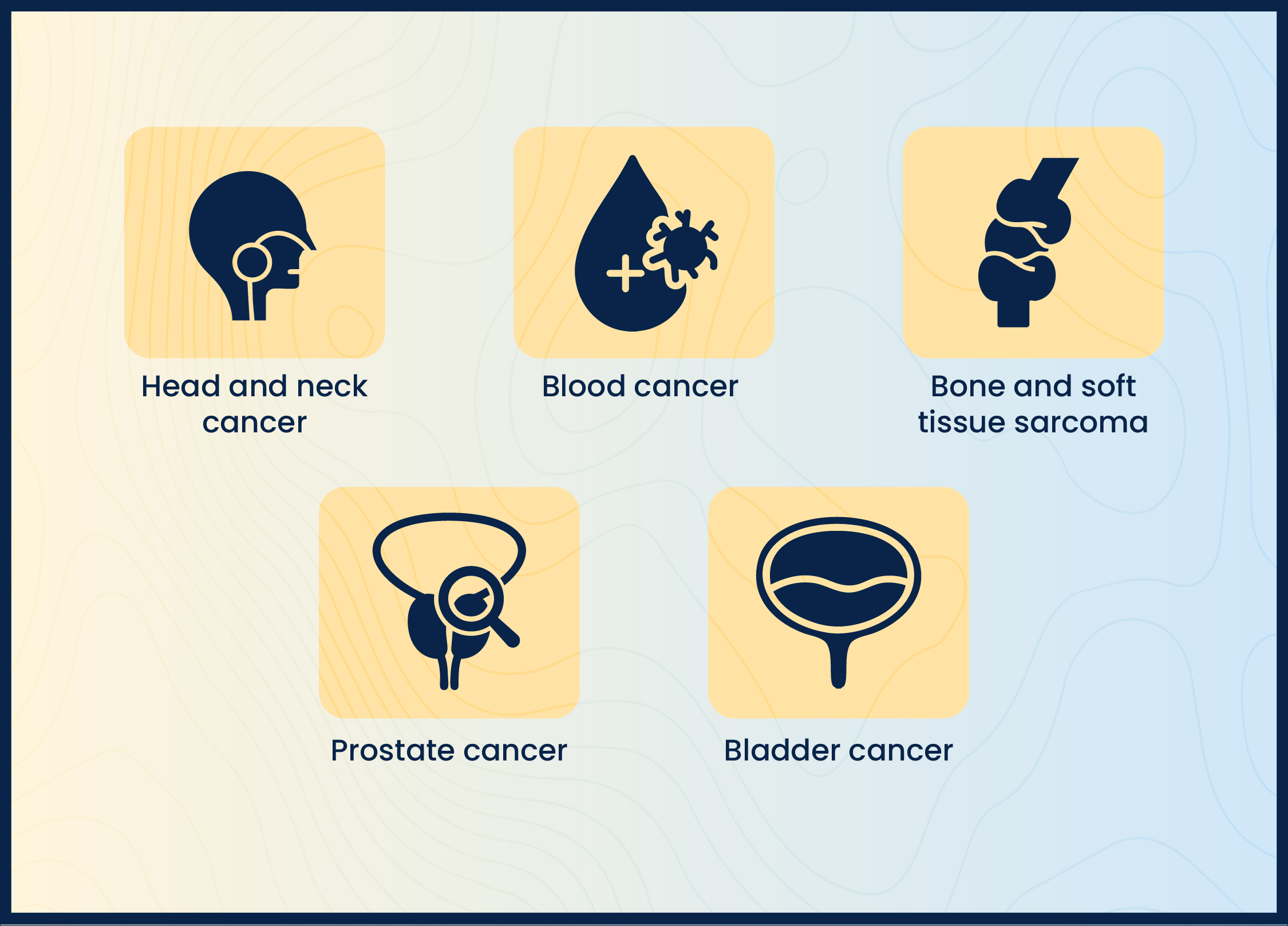
- Head and neck cancer
- Blood cancer (leukemia, lymphoma, ,myeloma)
- Bone and soft tissue sarcoma
- Prostate cancer
- Bladder cancer
Our oncologists choose the most appropriate regimen for each cancer type to achieve the best results.
Why Patients Choose Solaris Oncology for Chemotherapy?
1. Holistic Cancer Treatment Approach
We treat not just cancer, but the patient as a whole.
2. International Treatment Protocols
We follow global oncology guidelines such as NCCN, ESMO, and ASCO.
3. Compassionate Care
Our nurses, counsellors, and doctors provide emotional and psychological support throughout your journey.
4. Affordable & Transparent Pricing
We provide clear cost estimates and budget-friendly chemotherapy plans.
5. Convenient Location & Easy Scheduling
Our day-care model allows most patients to return home the same day.
Frequently Asked Questions (FAQ)
1. How long does chemotherapy last?
A cycle may last a few hours to a full day. Treatment plans often span weeks to months.
2. Can I continue working during chemotherapy?
Many patients can, depending on the drug and their body’s reaction.
3. Will chemotherapy cause hair loss?
Not all chemotherapy drugs cause hair loss. Your oncologist will inform you beforehand.
4. Is chemotherapy painful?
Chemotherapy infusion is usually painless. Some patients may feel mild discomfort or fatigue.
5. How will I know if chemotherapy is working?
Regular scans and blood tests help monitor your progress.
6. Can chemotherapy cure cancer?
In some cancers, yes. In others, it helps reduce the tumour, control spread, or relieve symptoms.