
Self-Breast Examination: A Complete Step-by-Step Guide to Detect Breast Cancer Early
Breast cancer is one of the most common cancers affecting women worldwide, and India is no exception. The good news is that breast cancer is highly treatable when detected early. One of the simplest, most powerful, and cost-free ways to catch early warning signs is self-breast examination (SBE)
At Solaris Cancer Centre, we strongly believe that awareness saves lives. Regular self-breast examination helps women understand what is normal for their body so they can quickly identify anything unusual and seek timely medical care. With access to breast cancer treatment in Bangalore, expert doctors, and affordable cancer treatment in Bangalore, early detection can truly make a life-changing difference.
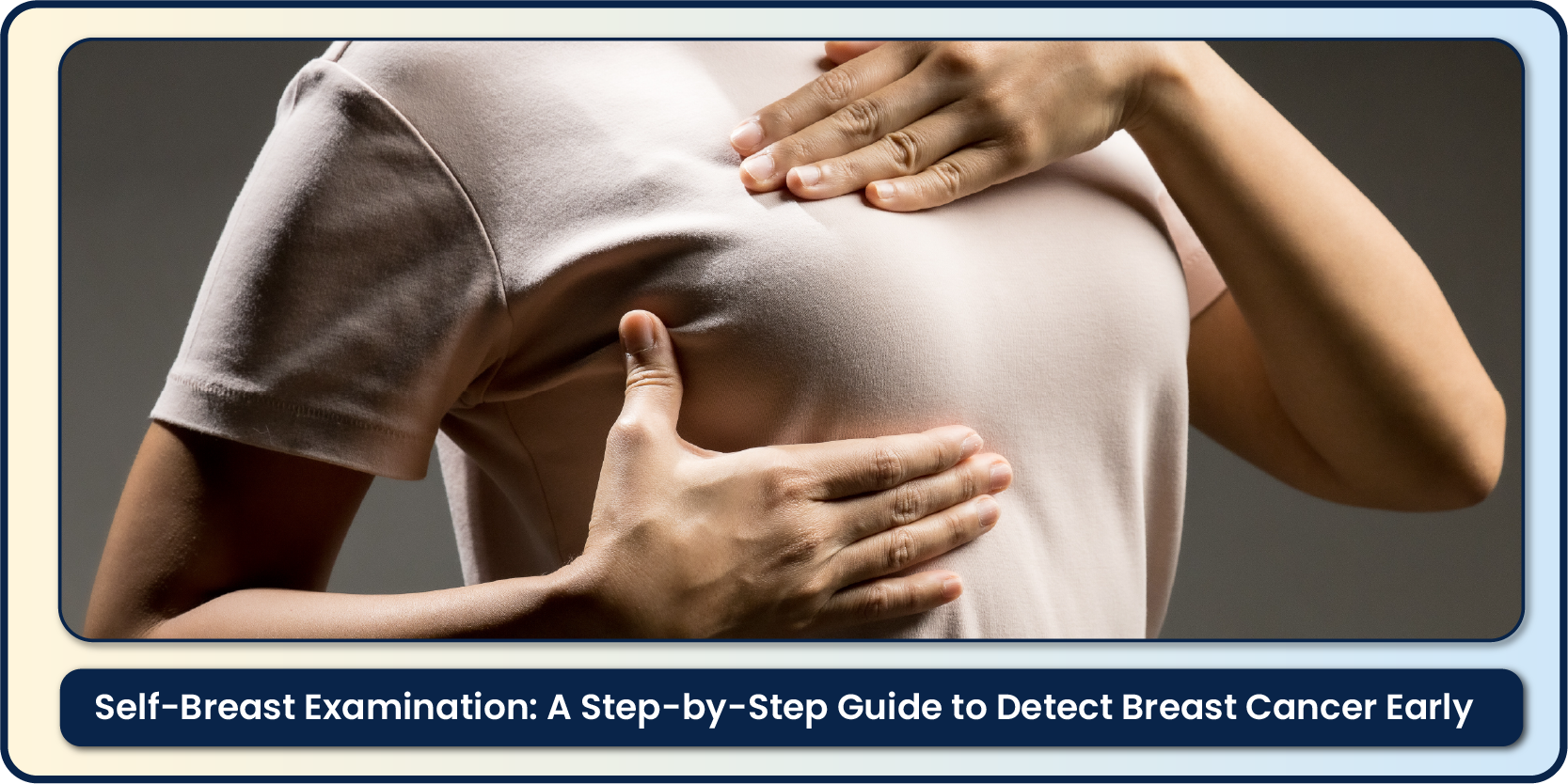
What is Self-Breast Examination?
Self-breast examination is a simple monthly check that women can do on their own to examine their breasts for any unusual changes. It does not require medical equipment, special training, or a hospital visit. It only requires a few minutes, awareness, and consistency.
Self-breast examination is a simple monthly check that women can do on their own to examine their breasts for any unusual changes. It does not require medical equipment, special training, or a hospital visit. It only requires a few minutes, awareness, and consistency.
While SBE cannot replace medical screening like mammography or clinical breast examination, it plays a critical role in early detection, especially in younger women and in countries where routine screening may not always be accessible.
Why Is Early Detection of Breast Cancer So Important?
Self-breast examination is a simple monthly check that women can do on their own to examine their breasts for any unusual changes. It does not require medical equipment, special training, or a hospital visit. It only requires a few minutes, awareness, and consistency.
By performing SBE regularly, women become familiar with the normal look and feel of their breasts, making it easier to notice even small changes early.
Why Is Early Detection of Breast Cancer So Important?
Early detection can be the difference between simple treatment and complex therapy, between quick recovery and long-term treatment.
Benefits of Early Detection:
- High success rates of treatments
- Less aggressive treatment options
- Better cosmetics outcomes after surgery
- Lower treatment costs
- Improved quality of life
With affordable cancer surgery in Bangalore and advanced facilities at Solaris Cancer Centre in Bangalore, women diagnosed at an early stage have excellent treatment outcomes.
Who should do Self-Breast Examination?
Self-breast examination is recommended for:
- Women with 20 years and above
- Women with a family history of breast cancer
- Women with previous breast lumps or hormonal issues
- Women undergoing hormone therapy
- Breast cancer survivors (to monitor recurrence)
Men can also develop breast cancer, although it’s rare. Men with breast swelling, pain, or nipple changes should also seek medical advice.
When is the Best Time to do Self-breast Examination?
Timing is crucial for accurate examination:
- Menstruating Women:
Perform SBE 7-10 days after your period ends, when breasts are least tender or swollen -
Women who have reached menopause:
Choose a fixed date every month, such as the 1st or 15th. -
Pregnant or breastfeeding women:
Monthly examination is still important, but changes should always be discussed with a doctor.
Consistency matters more than perfection.
Understanding the Normal Breast Structure:
Before examining your breasts, it helps to understand what is normal.
Breasts are made up of:
- Fatty tissue
- Milk glands and ducts
- Blood vessels
- Lymph nodes
Because of this, breasts can naturally feel lumpy or uneven, especially during hormonal changes. The key is to notice new or unusual changes, not to panic over normal variations.
Step-by-Step Guide to Self-Breast Examination:
Step 1: Examine Your Breasts in the Mirror:
Stand in front of a mirror with your shoulders straight and arms relaxed by your sides.
Look for:
- Change in size or shape
- Swelling
- Skin dimpling or puckering
- Redness or rash
- Nipple turning inward
- Discharge from the nipple
Next, raise your arms above your head and look again for the same changes.
Then place your hands on your hips and press firmly to tighten your chest muscles. Observe for any differences.
Step 2: Feel Your Breasts While Standing or Sitting:
Many women find it easier to do this while showering, as wet skin allows fingers to glide smoothly.
Use the pads of your three middle fingers, not the fingertips.
Follow one of these patterns:
- Circular motion
- Vertical up-and-down lines
- Wedge pattern from nipple outward
Cover the entire breast area—from collarbone to under the breast, and from armpit to cleavage
Apply light, medium, and deep pressure to feel all layers of breast tissue.
Step 3: Examine Your Breasts While Lying Down:
Lie flat on your back with a pillow under your shoulder and one arm behind your head. This position spreads the breast tissue evenly over the chest wall. Using the same finger movements, examine the entire breast and nipple area carefully. Gently squeeze the nipple to check for any discharge. Repeat the process for the other breast.
What Changes Should You Look For?
During self-breast examination, watch out for:
- A new lump or thickening
- Lump that feels different from surrounding tissue
- Persistent breast pain
- Skin changes (redness, dimpling, scaling)
- Nipple discharge (especially bloody)
- Nipple inversion
- Swelling in the armpit
- Change in breast size or shape
- Nipple inversion
- Swelling in the armpit
- Change in breast size or shape
Not all lumps are cancerous, but any new or persistent change should be evaluated by a specialist
Common Myths about Breast Cancer and SBE:
Myth 1: Only older women get breast cancer
Truth: Breast cancer can affect women of all ages.
Myth 2: Breast lumps are always painful
Truth: Cancerous lumps are often painless.
Myth 3: No family history means no risk
Truth: Most women diagnosed have no family history.
Myth 4: Self-examination causes fear
Truth: Awareness leads to confidence and control.
When Should You See a Doctor?
When Should You See a Doctor?
- A lump does not go away after one menstrual cycle
- There is nipple discharge
- Skin changes persist
- Breast pain lasts more than a few weeks
- You notice swelling in the armpit
Consulting a best medical oncologist in Bangalore at the right time can ensure accurate diagnosis and timely treatment.
Diagnosis and Breast Cancer Treatment in Bangalore
If a doctor suspects something unusual, further tests may include:
- Ultrasound
- Mammography
- Biopsy
- MRI Scans
At Solaris Cancer Centre, patients have access to advanced diagnostic tools, experienced doctors, and personalized breast cancer treatment in Bangalore.
Treatment options may include:
- Surgery
- Chemotherapy
- Radiation therapy
- Targeted therapy
- Hormonal therapy
Our goal is to provide effective and affordable cancer treatment in Bangalore, without compromising on quality or compassion.
Affordable Cancer Surgery and Care at Solaris Cancer Centre
Many people delay cancer treatment due to fear of high costs. At Solaris Cancer Centre in Bangalore, we are committed to making affordable cancer surgery in Bangalore accessible to all.
- Transparent treatment plans
- Ethical medical practices
- Patient-centered care
- Emotional and psychological support
Early detection through self-breast examination often means less extensive treatment and lower costs.
Role of Lifestyle in Breast Cancer Prevention:
While not all breast cancers can be prevented, healthy habits can reduce risk
- Maintain a healthy weight
- Exercise regularly
- Limit alcohol consumption
- Avoid smoking
- Eat a balanced diet
- Manage stress
- Breastfeed if possible
Combined with regular self-breast examination, these habits empower women to take charge of their health.
Teaching Self-Breast Examination to Young Women:
Awareness should begin early. Teaching teenage girls about body awareness and self-breast examination
- Reduces fear
- Encourages confidence
- Builds lifelong healthy habits
Schools, colleges, and families play a vital role in spreading awareness
Self-breast examination is not about fear it’s about self-care, awareness, and empowerment. Spending just a few minutes each month can help detect breast cancer early, when treatment is most effective.
At Solaris cancer centre, we stand with you at every step-from awareness and screening to breast cancer treatment in Bangalore under the guidance of the best medical oncologist in Bangalore.
If you notice any changes or have concerns, do not wait. Early consultation leads to better outcomes and peace of mind.