
Life Care for Cancer Patients in Bangalore
Life Care for Cancer Patients in Bangalore
A cancer diagnosis can change many parts of a person’s life. Along with medical treatment, patients may experience changes in energy, appetite, sleep, emotions, work, family life, mobility and day-to-day routines. This is why cancer care should not focus only on treating the disease. It should also focus on helping the person live as comfortably, independently and meaningfully as possible throughout the cancer journey.
At Solaris Cancer Centre in Bangalore, life care for cancer patients focuses on supporting patients during diagnosis, treatment, recovery and survivorship. The approach considers the patient as a whole person and addresses not only cancer treatment but also symptoms, nutrition, emotional wellbeing, physical comfort, treatment-related side effects and quality of life.
Whether a patient is undergoing chemotherapy, targeted therapy, immunotherapy, radiation therapy, cancer surgery or a combination of treatments, supportive care can play an important role. Life care can also be valuable for people living with advanced or metastatic cancer, patients recovering after treatment and families who need guidance about long-term cancer care.
Solaris Cancer Centre provides cancer care with the understanding that every patient has different medical needs, personal circumstances and treatment goals. A personalised care plan can help patients and families understand what to expect and make informed decisions throughout their cancer journey.
What Is Life Care for Cancer Patients?
Life care for cancer patients refers to comprehensive support that helps a person manage the physical, emotional, nutritional, social and practical challenges associated with cancer and its treatment.
Cancer care does not end with a diagnosis or a treatment procedure. A patient may need support before treatment begins, while treatment is ongoing and after active treatment has finished.
Life care may include:
- Management of cancer-related symptoms
- Management of treatment side effects
- Nutritional guidance
- Pain and symptom management
- Emotional and psychological support
- Physical activity and rehabilitation guidance
- Support during chemotherapy and other cancer treatments
- Help with maintaining daily activities
- Follow-up and surveillance after treatment
- Support for cancer survivors
- Supportive and palliative care when required
- Guidance for families and caregivers
- Coordination between different cancer specialists
The exact type of support depends on the patient's diagnosis, stage of cancer, treatment plan, symptoms, overall health and personal preferences.
Why Is Life Care Important During Cancer Treatment?
Cancer treatment can affect much more than the tumour itself. Surgery may temporarily affect movement or physical function. Chemotherapy can cause fatigue, nausea, changes in appetite and other side effects. Radiation therapy may cause treatment-specific changes depending on the area being treated. Targeted therapy and immunotherapy can also have their own potential side effects.
These effects can influence a patient's ability to work, eat normally, sleep well, exercise, socialise or carry out everyday activities.
Comprehensive life care aims to identify these concerns early and provide appropriate support.
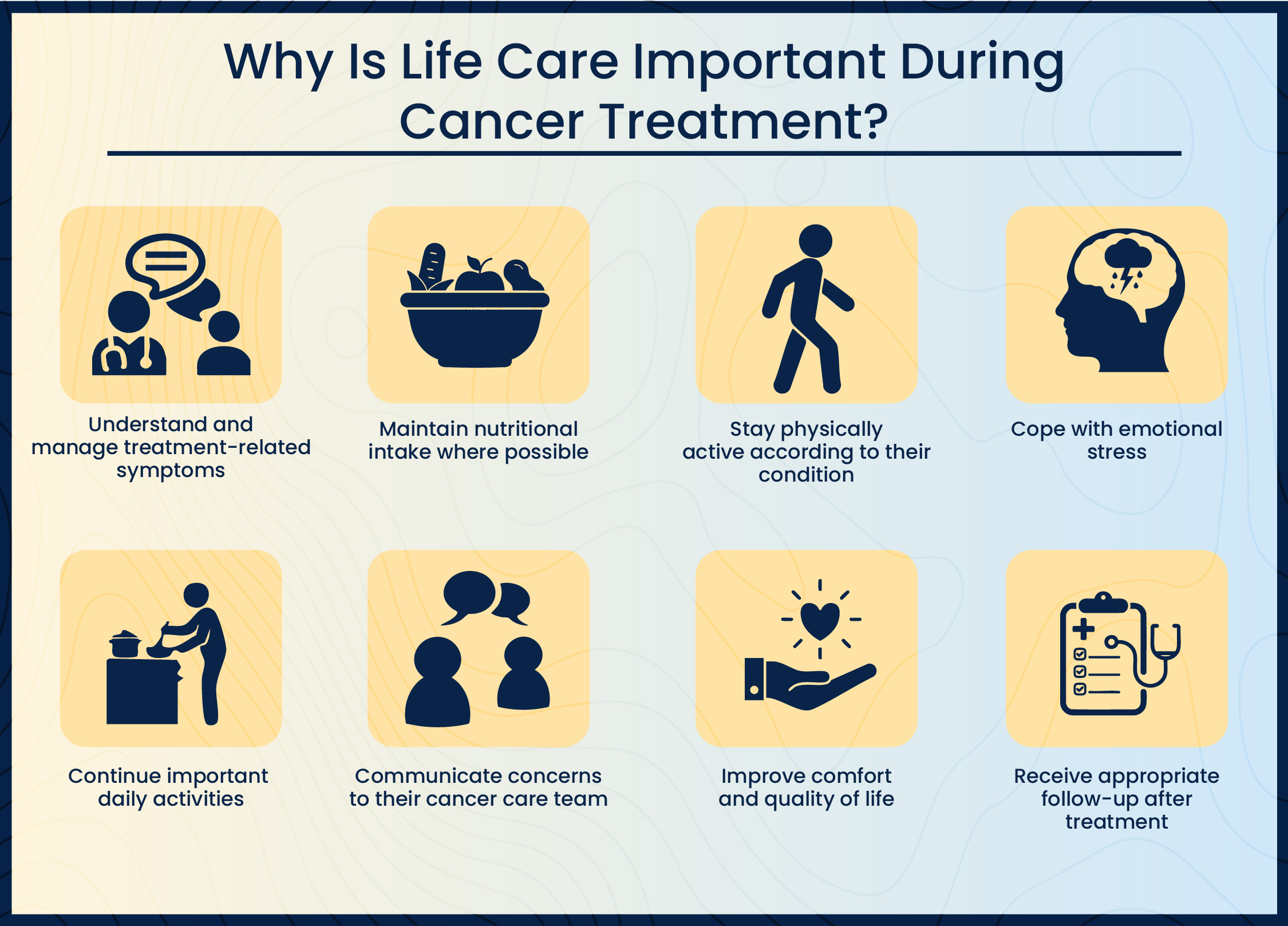
Good supportive care can help patients:
- Understand and manage treatment-related symptoms
- Maintain nutritional intake where possible
- Stay physically active according to their condition
- Cope with emotional stress
- Continue important daily activities
- Communicate concerns to their cancer care team
- Improve comfort and quality of life
- Receive appropriate follow-up after treatment
The goal is not to replace cancer treatment. Instead, life care works alongside medical treatment to support the patient's overall wellbeing.
Life Care throughout the Cancer Journey
Cancer care can be viewed as a journey rather than a single treatment event. Different patients need different types of support at different stages.
Life Care After a Cancer Diagnosis
Receiving a cancer diagnosis can be overwhelming. Patients may suddenly have questions about treatment, prognosis, work, family responsibilities, finances, nutrition and their future.
During this stage, clear communication is important.
Patients may benefit from understanding:
- What type of cancer has been diagnosed
- Whether additional tests are required
- What the stage means
- What treatment options may be considered
- What the goals of treatment are
- What side effects may occur
- What symptoms should be reported
- What support is available
A cancer care team can help patients understand their treatment plan in simple language and identify areas where additional support may be needed.
Life Care During Chemotherapy Treatment in Bangalore
Chemotherapy is an important treatment for many cancers. Depending on the cancer type and treatment plan, chemotherapy may be given before surgery, after surgery, alongside other treatments or as the primary treatment for certain cancers.
Although chemotherapy can be highly useful, patients may experience side effects.
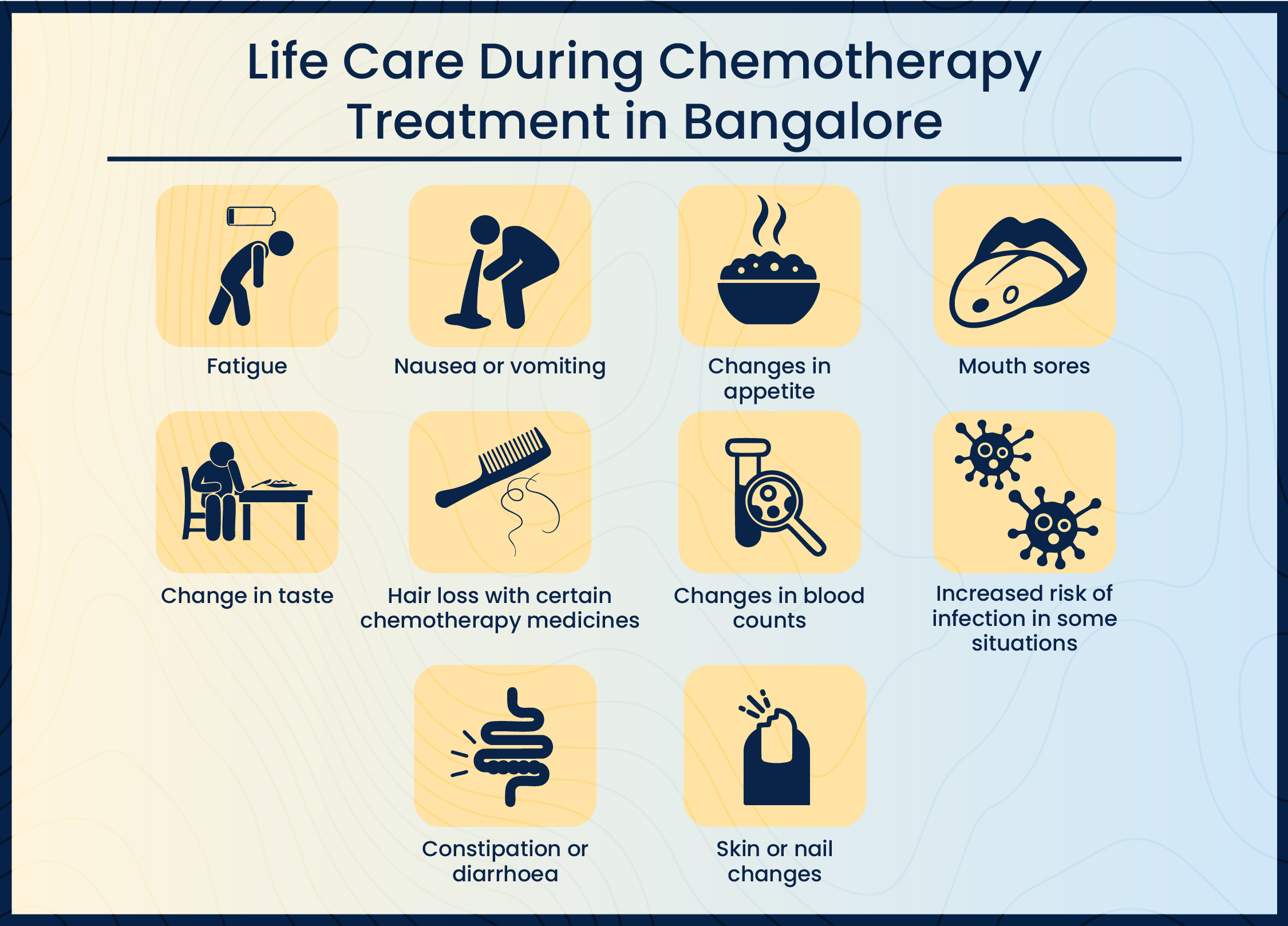
These can vary depending on the medicines used and may include:
- Fatigue
- Nausea or vomiting
- Changes in appetite
- Mouth sores
- Change in taste
- Hair loss with certain chemotherapy medicines
- Changes in blood counts
- Increased risk of infection in some situations
- Constipation or diarrhoea
- Skin or nail changes
Not every patient experiences the same side effects, and side-effect management is an important part of cancer care.
At Solaris Cancer Centre, patients undergoing chemotherapy treatment in Bangalore can receive guidance regarding treatment schedules, potential side effects, supportive medicines, nutrition and when to contact the medical team.
Patients should not stop, change or delay cancer medicines without discussing the decision with their treating doctor.
Life Care During Targeted Therapy
Targeted therapy works differently from traditional chemotherapy. These medicines are designed to act on specific molecular or biological features associated with cancer.
Targeted treatment may be considered when testing shows that a patient's cancer has a particular target or biomarker for which an appropriate treatment is available.
However, targeted therapies can also cause side effects. Depending on the medicine, these may include skin changes, diarrhoea, fatigue, blood pressure changes, liver-related changes or other treatment-specific effects
Patients receiving Targeted Therapy treatment in Bangalore may therefore require regular monitoring and personalised supportive care.
The treatment plan should be based on the patient's cancer type, molecular profile, previous treatments, overall health and other clinical factors.
Life Care During Cancer Surgery and Recovery
For some cancers, surgery is an important part of treatment. Recovery after cancer surgery can involve physical and emotional challenges.
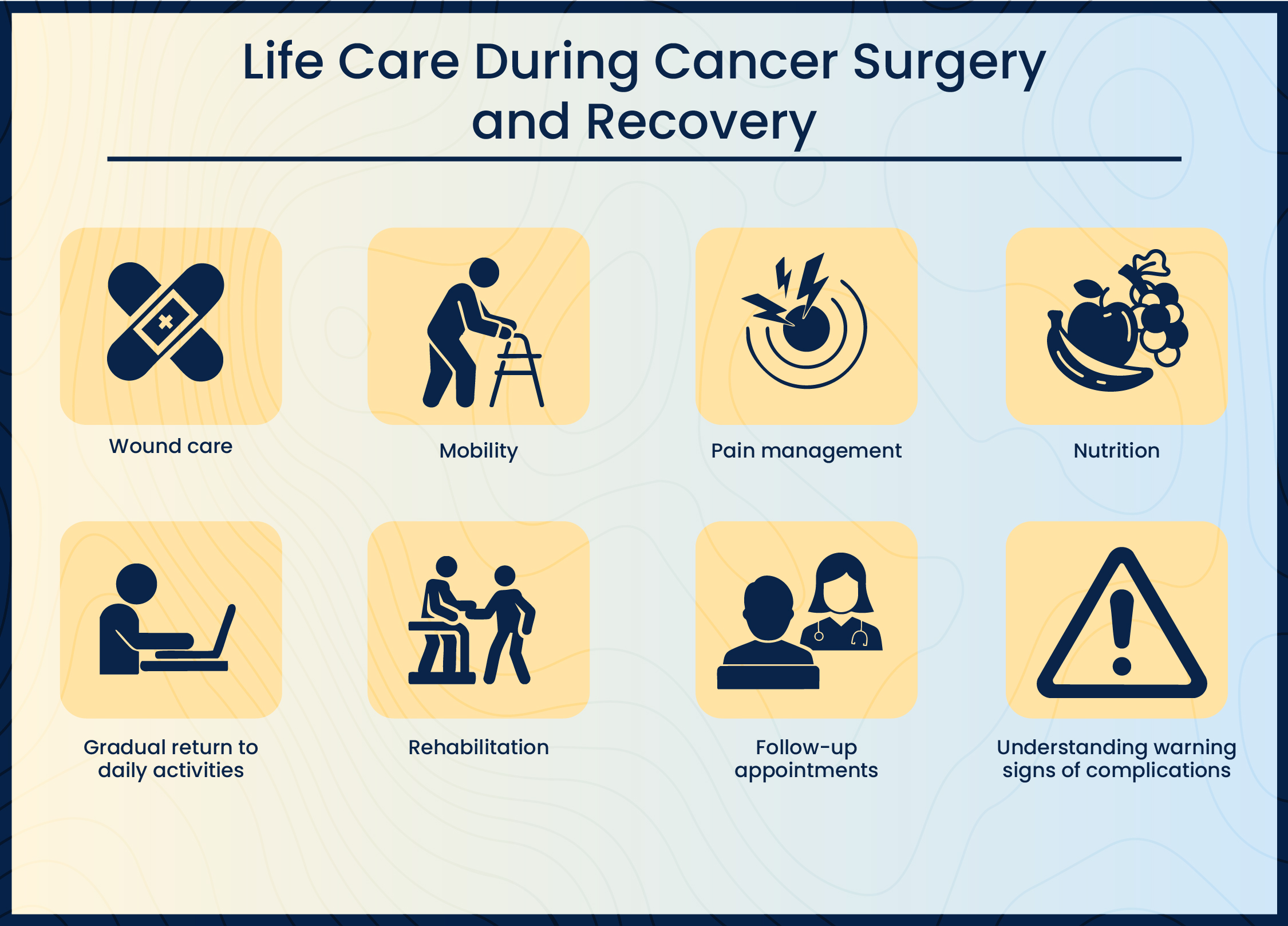
Patients may need support with:
- Wound care
- Mobility
- Pain management
- Nutrition
- Gradual return to daily activities
- Rehabilitation
- Follow-up appointments
- Understanding warning signs of complications
For patients requiring cancer surgery, choosing an appropriate surgical team and understanding the expected recovery process can be important.
Patients looking for affordable cancer surgery in Bangalore should consider not only the procedure cost but also the expertise of the surgical team, hospital or cancer centre facilities, follow-up requirements and overall treatment plan.
Life Care for Breast Cancer Patients
Breast cancer treatment may involve surgery, chemotherapy, radiation therapy, hormone therapy, targeted therapy, immunotherapy or combinations of these treatments depending on the individual cancer.
Life care for breast cancer patients can include support with treatment side effects, nutrition, physical activity, emotional wellbeing, recovery after surgery and long-term follow-up.
Patients undergoing breast cancer treatment in Bangalore may also have concerns about body image, changes after surgery, returning to work, family responsibilities and fear of recurrence.
These concerns are important parts of the patient's overall cancer journey and should be discussed with the healthcare team.
Life Care for Lung Cancer Patients
Lung cancer treatment depends on factors such as the type of lung cancer, stage, molecular characteristics, overall health and whether the disease has spread.
Treatment may involve surgery, chemotherapy, radiation therapy, targeted therapy, immunotherapy or combinations of these approaches.
Patients undergoing lung cancer treatment in Bangalore may also experience symptoms such as breathlessness, cough, fatigue, reduced appetite or weakness.
Supportive care can help address these concerns alongside cancer-directed treatment.
Patients should promptly inform their cancer care team about new or worsening symptoms, particularly significant breathing difficulties, fever, severe weakness, chest pain or other concerning changes.
Nutrition and Life Care for Cancer Patients
Nutrition is an important part of comprehensive cancer care.
Some patients may lose appetite during treatment, while others may experience nausea, changes in taste, difficulty swallowing or digestive symptoms. Some cancers and treatments can also increase nutritional requirements.
There is no single cancer diet that is appropriate for every patient.
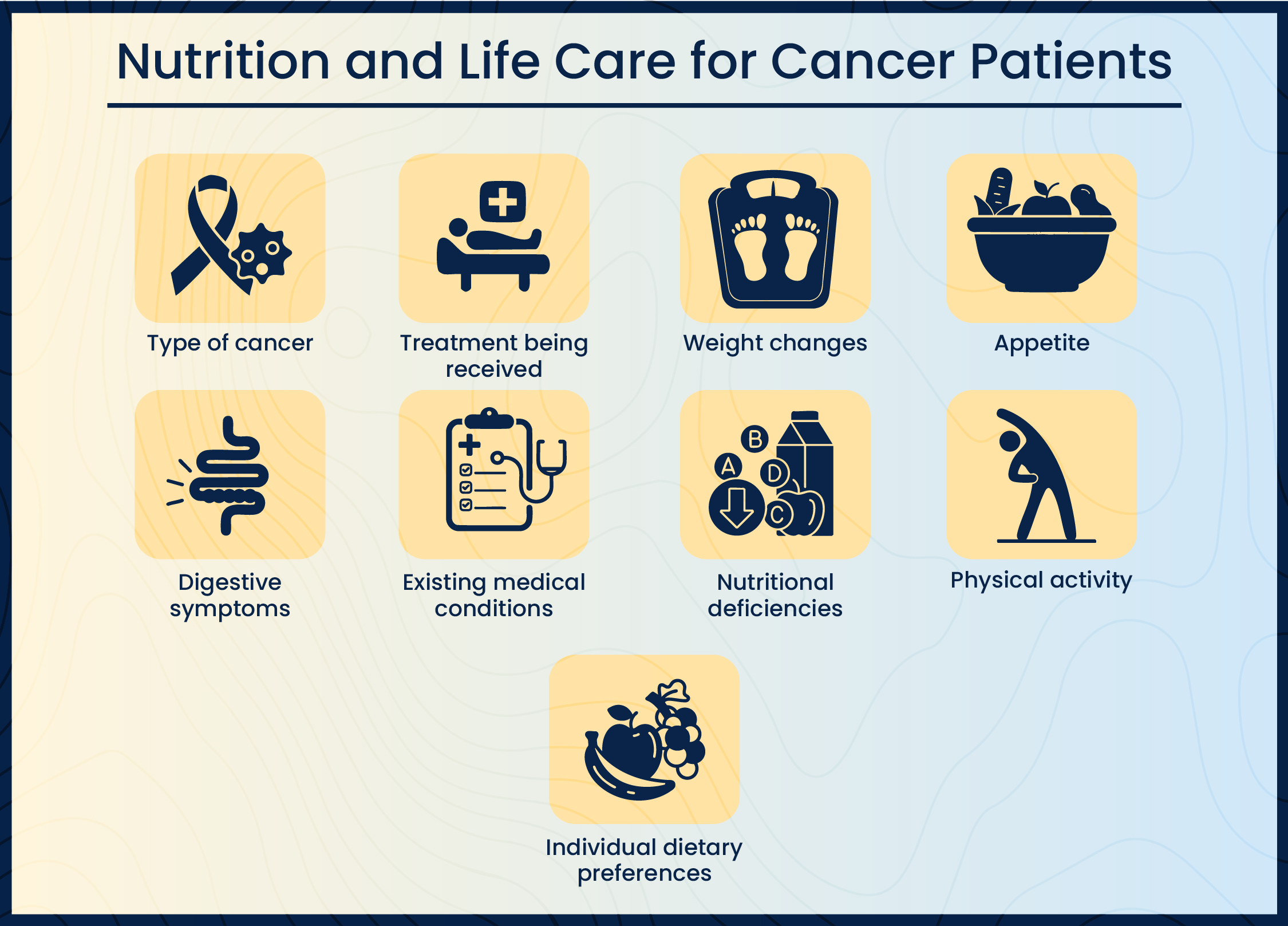
Nutritional recommendations should take into account:
- Type of cancer
- Treatment being received
- Weight changes
- Appetite
- Digestive symptoms
- Existing medical conditions
- Nutritional deficiencies
- Physical activity
- Individual dietary preferences
Patients should be cautious about unproven diets, supplements or herbal products promoted as cancer cures. Some supplements can interact with cancer medicines or affect treatment.
A qualified healthcare professional can help patients understand appropriate nutrition during cancer treatment.
Physical Activity During Cancer Care
Remaining physically active, when medically appropriate, can support overall wellbeing during and after cancer treatment.
However, exercise recommendations should be individualised.
A patient who is undergoing intensive treatment may need a different activity plan from someone who has completed treatment and is recovering.
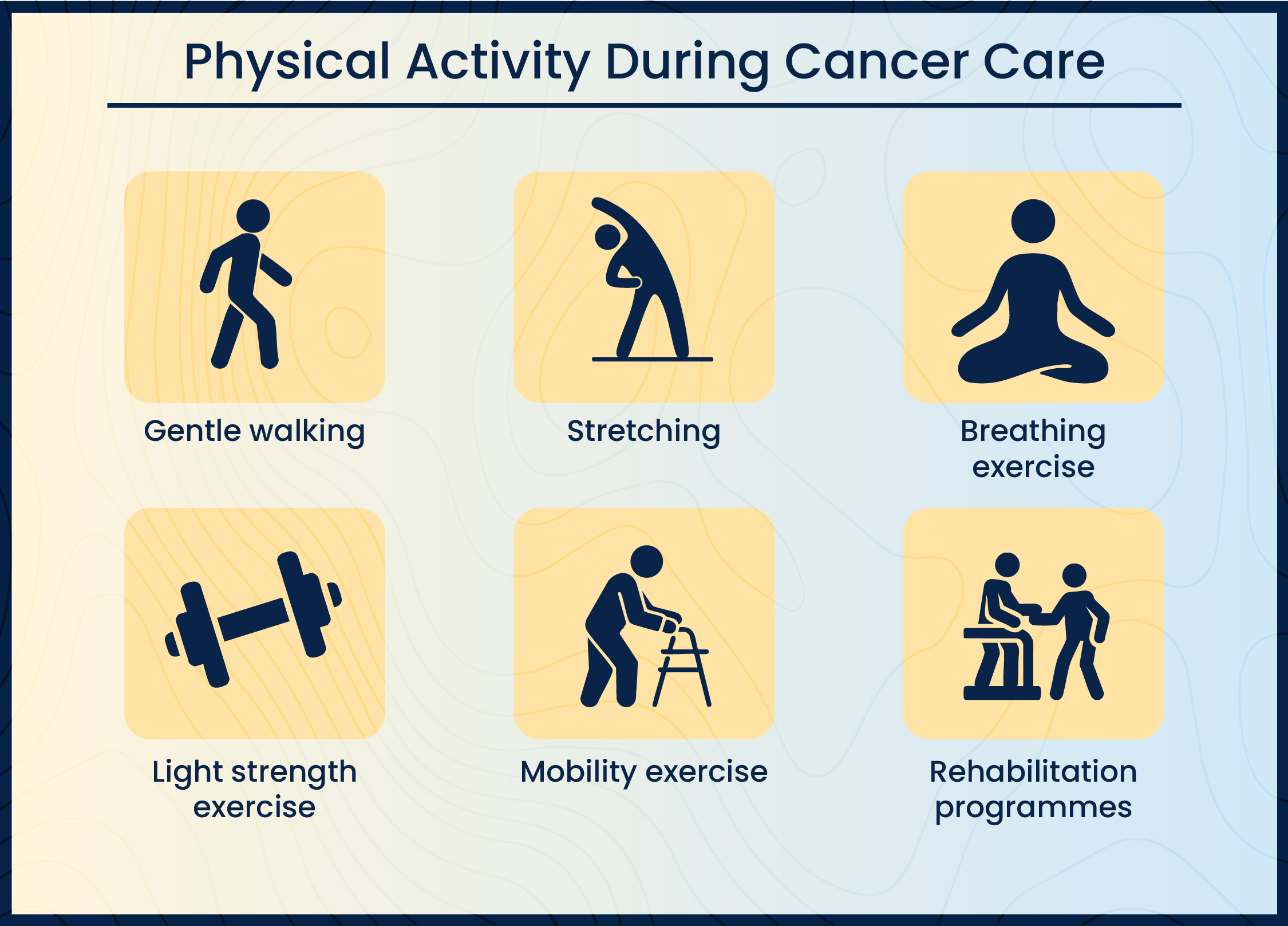
Depending on the patient's condition, physical activity may include:
- Gentle walking
- Stretching
- Breathing exercise
- Light strength exercise
- Mobility exercise
- Rehabilitation programmes
Patients should discuss exercise plans with their healthcare team, particularly after major surgery or when experiencing significant fatigue, weakness, pain or other symptoms.
Emotional Support During Cancer
Cancer can affect emotional wellbeing at every stage.
Patients may experience fear, uncertainty, sadness, frustration, anger or anxiety. Family members may also experience emotional stress while supporting a loved one.
Emotional support is therefore an important component of comprehensive cancer care.
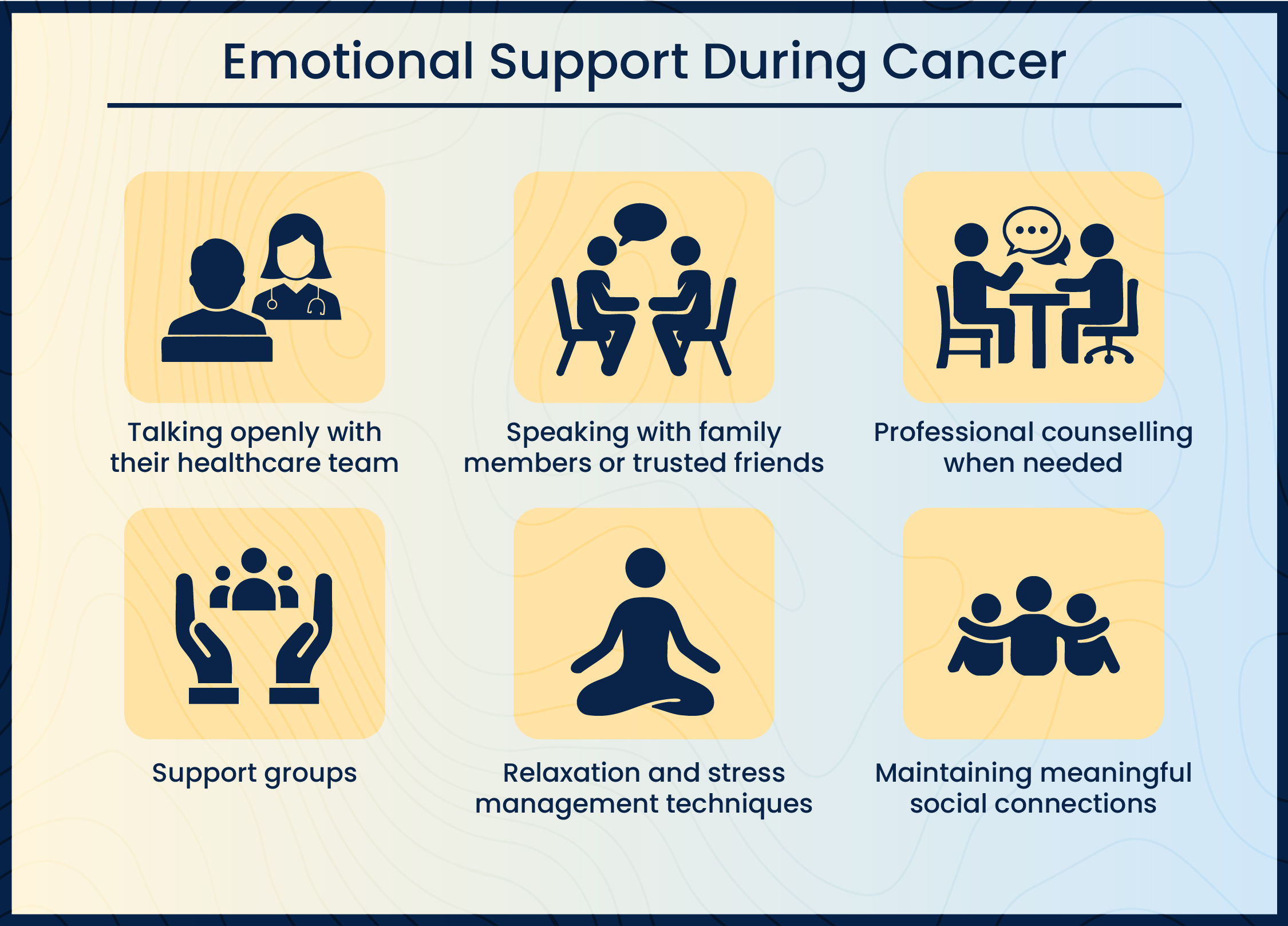
Patients may benefit from:
- Talking openly with their healthcare team
- Speaking with family members or trusted friends
- Professional counselling when needed
- Support groups
- Relaxation and stress-management techniques
- Maintaining meaningful social connections
Seeking emotional support is not a sign of weakness. Cancer affects the whole person, and emotional wellbeing deserves attention alongside physical health.
Managing Cancer-Related Fatigue
Fatigue is one of the common concerns reported by many people with cancer.
Cancer-related fatigue may feel different from ordinary tiredness. Rest may not completely resolve it, and it can affect work, concentration, exercise and everyday activities.
Managing fatigue may involve:
- Identifying treatable causes
- Maintaining appropriate physical activity
- Getting adequate rest
- Maintaining nutrition and hydration
- Prioritising important activities
- Planning rest periods
- Managing pain and other symptoms
- Discussing persistent fatigue with the cancer care team
Severe or sudden fatigue should not automatically be attributed to cancer. It may sometimes be related to anaemia, infection, medication effects, nutritional problems or other medical conditions and should be evaluated appropriately.
Pain and Symptom Management
Cancer-related pain can occur because of the cancer itself, treatment or other medical conditions.
Pain management is an important component of supportive cancer care.
Depending on the cause and severity of pain, management may involve medicines, physical approaches, procedures or other supportive measures.
Patients should communicate openly about pain rather than assuming that severe pain is something they must simply tolerate.
A cancer care team can assess the cause of pain and develop an appropriate management plan.
Palliative Care Is Not Only for the Final Stage of Life
There is often confusion around palliative care.
Palliative care focuses on improving comfort and quality of life for people living with serious illness. It can help manage symptoms such as pain, nausea, breathlessness, fatigue and emotional distress.
For patients with advanced or metastatic cancer, palliative care can become an especially important part of comprehensive cancer care.
The focus is on helping patients live as comfortably and meaningfully as possible while addressing their individual needs and treatment goals.
Life Care After Cancer Treatment
Completing cancer treatment can bring relief, but it can also create new questions.
Some patients wonder:
- “Is the cancer completely gone?”
- “When should I have my next check-up?”
- “Can I return to my normal routine?”
- “What symptoms should I watch for?”
- “Will the cancer come back?”
Follow-up care can help address these concerns.
Depending on the cancer, follow-up may include clinical examinations, blood tests, imaging or other investigations when medically appropriate.
The follow-up schedule depends on the type of cancer, treatment received, risk factors and individual circumstances.
Cancer Survivorship Care
Cancer survivorship begins from the time of diagnosis and continues throughout a person's life.
For people who have completed active treatment, survivorship care can focus on:
- Regular follow-up
- Managing long-term treatment effects
- Physical recovery
- Healthy lifestyle habits
- Emotional wellbeing
- Returning to work and daily activities
- Monitoring for recurrence when appropriate
- Managing other health conditions
- Understanding when further medical evaluation is needed
Life after cancer is different for every person. Some patients return to their previous routine quickly, while others need more time and support.
However, caregivers can also experience exhaustion and stress.
A comprehensive approach to cancer care should therefore recognise the needs of caregivers too.
Families can support patients by:
- Listening without judgement
- Helping with practical responsibilities
- Accompanying patients to appointments when possible
- Keeping track of treatment instructions
- Encouraging appropriate nutrition and activity
- Communicating concerns to the healthcare team
- Respecting the patient's preferences and independence
At the same time, caregivers should remember to look after their own physical and emotional wellbeing.
Affordable Cancer Treatment and Comprehensive Care in Bangalore
The financial impact of cancer treatment can be a major concern for patients and families.
Cancer treatment costs can vary significantly depending on the type and stage of cancer, investigations required, medicines, procedures, hospitalisation and duration of treatment.
Patients searching for Affordable cancer treatment in Bangalore should look beyond the initial treatment cost and understand the complete treatment pathway.
An affordable cancer care plan should aim for appropriate medical treatment while avoiding unnecessary investigations or interventions.
At Solaris Cancer Centre, discussions around treatment can include the patient's diagnosis, treatment options, expected requirements and available supportive care.
The objective is to help patients understand their care plan clearly and make informed healthcare decisions.
Choosing a Cancer Centre in Bangalore
Choosing a cancer care facility is an important decision for patients and families.
People searching online for the best cancer hospital in Bangalore, best cancer centre in Bangalore, or a Cancer centre in Bangalore may come across many different options.
Instead of relying only on online rankings or promotional claims, patients can consider factors such as:
- Relevant oncology expertise
- Availability of appropriate diagnostic services
- Multidisciplinary cancer care
- Treatment options
- Supportive care
- Follow-up services
- Communication with patients and families
- Accessibility and location
- Transparency regarding treatment and expected costs
The right cancer care setting can depend on the individual patient's diagnosis and treatment requirements.
Why Choose Solaris Cancer Centre for Life Care?
Solaris Cancer Centre | Cancer Centre in Bangalore provides patient-focused cancer care designed around individual medical needs.
Cancer treatment may involve several specialists and different stages of care. A coordinated approach can help patients understand their treatment journey and receive appropriate support along the way.
At Solaris Cancer Centre, life care can complement cancer-directed treatment by addressing the broader needs of patients and families.
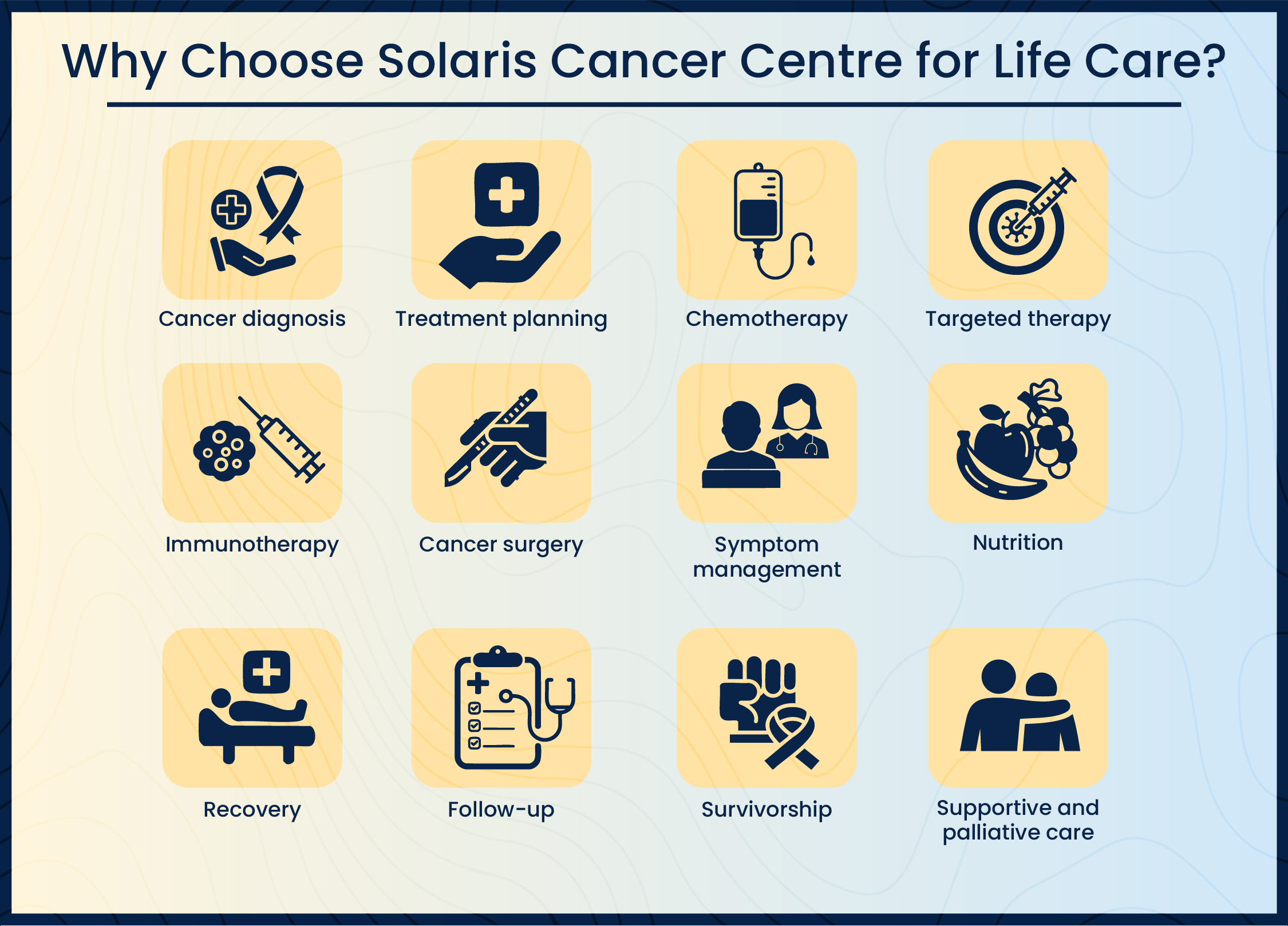
The care approach may include support related to:
- Cancer diagnosis
- Treatment planning
- Chemotherapy
- Targeted therapy
- Immunotherapy
- Cancer surgery
- Symptom management
- Nutrition
- Recovery
- Follow-up
- Survivorship
- Supportive and palliative care
Patients can discuss their diagnosis and individual concerns with the oncology team to understand which services may be appropriate for them.
Personalised Cancer Care for Every Patient
There is no single cancer treatment plan that works for everyone.
Two people with the same type of cancer may receive different treatments because of differences in cancer stage, pathology, biomarkers, overall health, previous treatment and personal circumstances.
This is also true for life care.
One patient may need nutritional support, another may require rehabilitation, while another may need help managing treatment-related fatigue or emotional stress.
Personalised cancer care means understanding these differences and developing support around the individual.
When Should a Cancer Patient Seek Support?
Patients should speak with their cancer care team if they experience new, persistent or worsening symptoms.
These may include:
- Persistent or severe pain
- Significant loss of appetite
- Unexplained weight loss
- Persistent vomiting or diarrhoea
- Difficulty breathing
- Fever
- Severe weakness
- New swelling
- Difficulty eating or drinking
- Significant changes in mood
- Problems performing everyday activities
Some symptoms can require urgent medical attention. Patients should follow the emergency instructions provided by their treating team and seek immediate medical care when necessary.
Life Care at Solaris Cancer Centre in Bangalore
Cancer care is about more than treating a tumour. It is about supporting a person through one of the most challenging periods of their life.
From diagnosis and treatment to recovery and survivorship, patients may need different types of medical and emotional support at different times.
Solaris Cancer Centre in Bangalore aims to provide comprehensive cancer care with attention to treatment, comfort, quality of life and individual patient needs.
Whether you are exploring Best cancer treatment in Bangalore, looking for an affordable cancer treatment in Bangalore, seeking a best medical oncologist in Bangalore, or need specialised care such as breast cancer treatment in Bangalore, lung cancer treatment in Bangalore, chemotherapy or targeted therapy, discussing your individual condition with an oncology team is an important first step.
Patients looking for a best cancer specialist in Bangalore or a trusted cancer centre in Bangalore should choose care based on their specific diagnosis, treatment requirements and personal circumstances.
At Solaris Cancer Centre, the focus remains on providing personalised, coordinated and compassionate cancer care while helping patients and families understand each step of their journey.