
CAR-T Cell Therapy in Bangalore: Advanced Immunotherapy at Solaris Oncology
CAR-T Cell Therapy in Bangalore: Advanced Immunotherapy at Solaris Oncology
Cancer treatment has evolved remarkably over the past decade. While chemotherapy, radiation therapy, targeted therapy, and surgery remain essential pillars of cancer care, breakthroughs in immunotherapy have transformed the way certain cancers are treated. One of the most promising innovations is CAR-T Cell Therapy, a personalized form of immunotherapy that uses the body's own immune system to identify and destroy cancer cells.
For patients with blood cancers that have not responded to conventional treatments or have returned after remission, CAR-T Cell Therapy offers renewed hope. At Solaris Oncology, we believe in bringing world-class cancer care closer to patients by offering access to advanced treatment options supported by multidisciplinary expertise and personalized care.
If you are searching for the Best cancer treatment in Bangalore, advanced Immunotherapy treatment in Bangalore, or comprehensive cancer care with expert guidance, understanding how CAR-T Cell Therapy works can help you make informed decisions about your treatment journey.
What is CAR-T Cell Therapy?
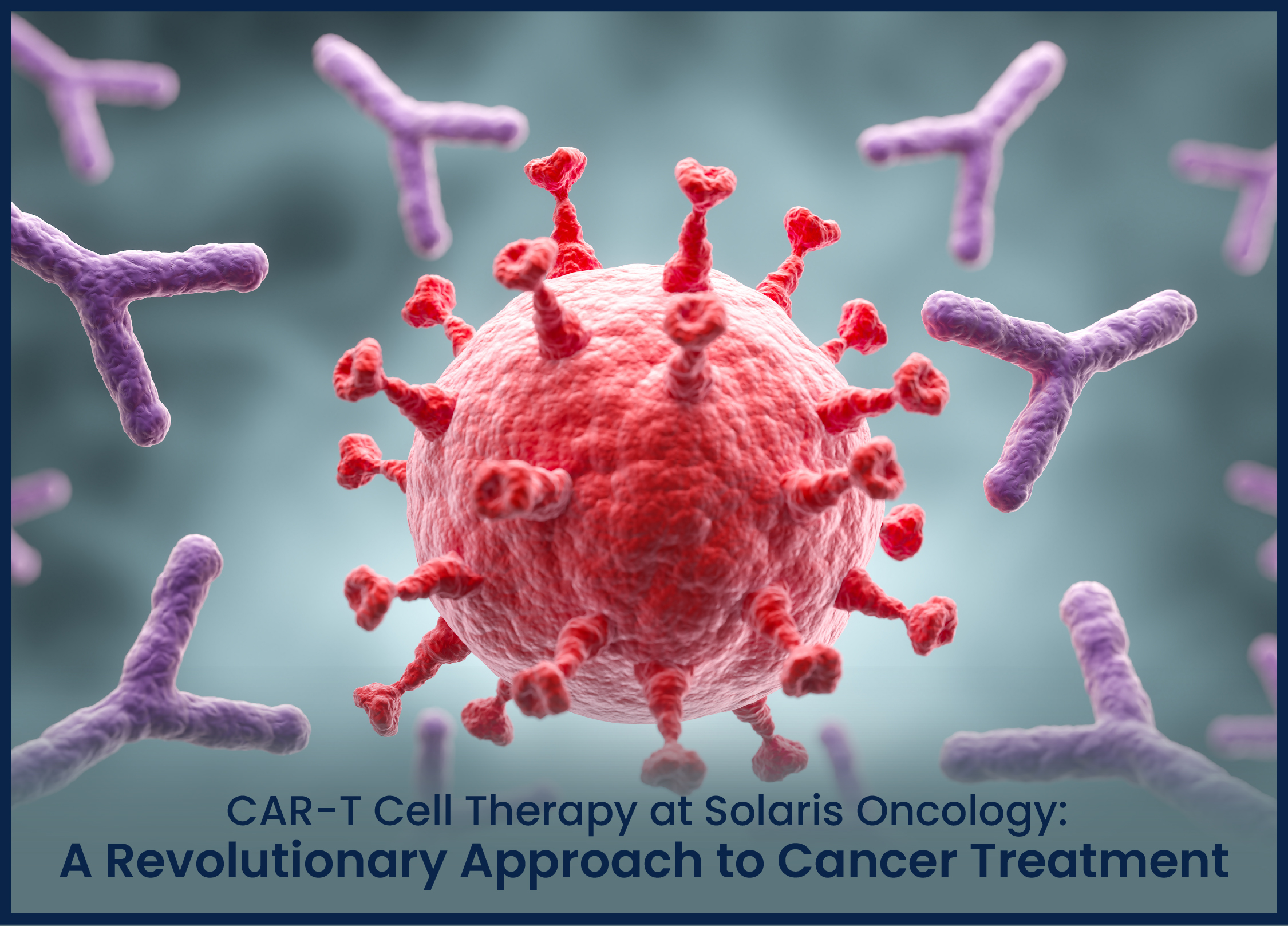
CAR-T Cell Therapy, or Chimeric Antigen Receptor T-cell Therapy, is an advanced type of immunotherapy designed to strengthen the body's natural immune response against cancer.
Unlike chemotherapy, which attacks rapidly dividing cells throughout the body, CAR-T therapy modifies a patient's own immune cells to specifically recognize and destroy cancer cells.
The treatment involves collecting T-cells from the patient's blood, genetically modifying them in a specialized laboratory, multiplying these enhanced cells, and then infusing them back into the patient. Once inside the body, these engineered T-cells actively search for cancer cells carrying specific proteins and eliminate them
Because the treatment is personalized for each patient, CAR-T therapy represents one of the most advanced examples of precision medicine in oncology.
Understanding the Role of T-Cells in Fighting Cancer
The immune system constantly monitors the body for infections and abnormal cells.
T-cells are one of the body's most powerful immune cells. Their primary function is to recognize and eliminate infected or abnormal cells, including cancer cells.
However, many cancers develop mechanisms that help them hide from the immune system. As a result, normal T-cells may fail to recognize cancer cells as dangerous.
CAR-T therapy overcomes this challenge by genetically engineering T-cells with special receptors called Chimeric Antigen Receptors (CARs) that specifically identify cancer cells.
These modified immune cells become highly efficient cancer fighters.
How Does CAR-T Cell Therapy Work?
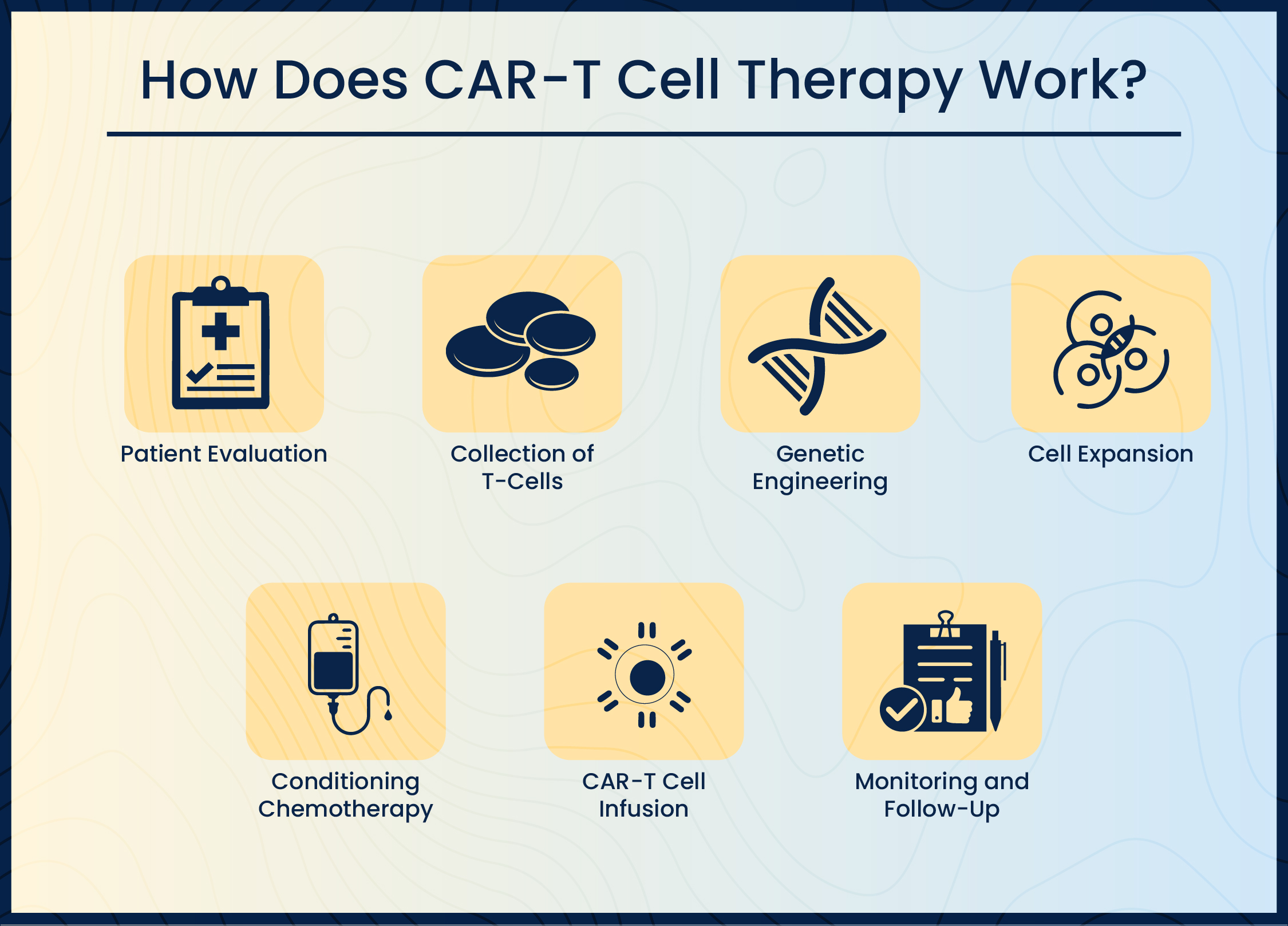
The CAR-T treatment process is carefully planned and involves multiple specialized steps.
Step 1: Patient Evaluation
Every patient undergoes a comprehensive evaluation before treatment.
Doctors assess:
- Cancer type
- Previous treatments
- Overall health
- Organ function
- Blood counts
- Disease status
- Eligibility for CAR-T therapy
This detailed assessment helps determine whether the treatment is appropriate.
Step 2: Collection of T-Cells
A procedure called Leukapheresis is performed.During this process:
- Blood is drawn from the patient.
- T-cells are separated.
- Remaining blood components are returned to the body.
The procedure generally takes several hours and is similar to blood donation.
Step 3: Genetic Engineering
The collected T-cells are transported to a specialized laboratory.
Scientists genetically modify these cells by inserting a receptor that recognizes proteins present on cancer cells.
These newly engineered cells become CAR-T cells.
Step 4: Cell Expansion
The modified CAR-T cells are multiplied until millions of active cancer-fighting cells are produced.
This manufacturing process usually takes several weeks.
Step 5: Conditioning Chemotherapy
Before CAR-T cells are infused, patients receive low-dose chemotherapy.
This is not intended to destroy cancer directly.
Instead, it creates space within the immune system, allowing the CAR-T cells to expand effectively after infusion.
Step 6: CAR-T Cell Infusion
The engineered cells are infused into the bloodstream through an intravenous line.
The infusion itself is usually completed within a short period.
Once inside the body, CAR-T cells begin multiplying and actively seek out cancer cells.
Step 7: Monitoring and Follow-Up
Close observation is extremely important after treatment.
Patients are monitored for:
- Treatment response
- Side effects
- Blood counts
- Organ function
- Immune recovery
Long-term follow-up helps ensure optimal outcomes.
Which Cancers Can Be Treated with CAR-T Cell Therapy?
Currently, CAR-T Cell Therapy has shown remarkable success in several blood cancers.These include:
- Acute Lymphoblastic Leukemia (ALL): Children, adolescents, and adults with relapsed or refractory ALL may benefit significantly from CAR-T therapy.
- Diffuse Large B-Cell Lymphoma (DLBCL): Patients whose lymphoma has returned after multiple treatments may become eligible for CAR-T therapy
- Mantle Cell Lymphoma: Advanced mantle cell lymphoma has also shown encouraging responses.
- Follicular Lymphoma: Certain patients with relapsed follicular lymphoma may qualify.
- Multiple Myeloma: Newer CAR-T therapies have revolutionized treatment for relapsed or refractory multiple myeloma.
Who is Eligible for CAR-T Cell Therapy?
Not every cancer patient requires CAR-T therapy.
Your oncologist will evaluate several factors, including:
- Type of cancer
- Disease stage
- Previous treatments
- Bone marrow function
- Kidney function
- Liver function
- Heart health
- Lung function
- Performance status
- Risk of complications
At Solaris Oncology, every case is reviewed by a multidisciplinary team to determine the most appropriate treatment strategy.
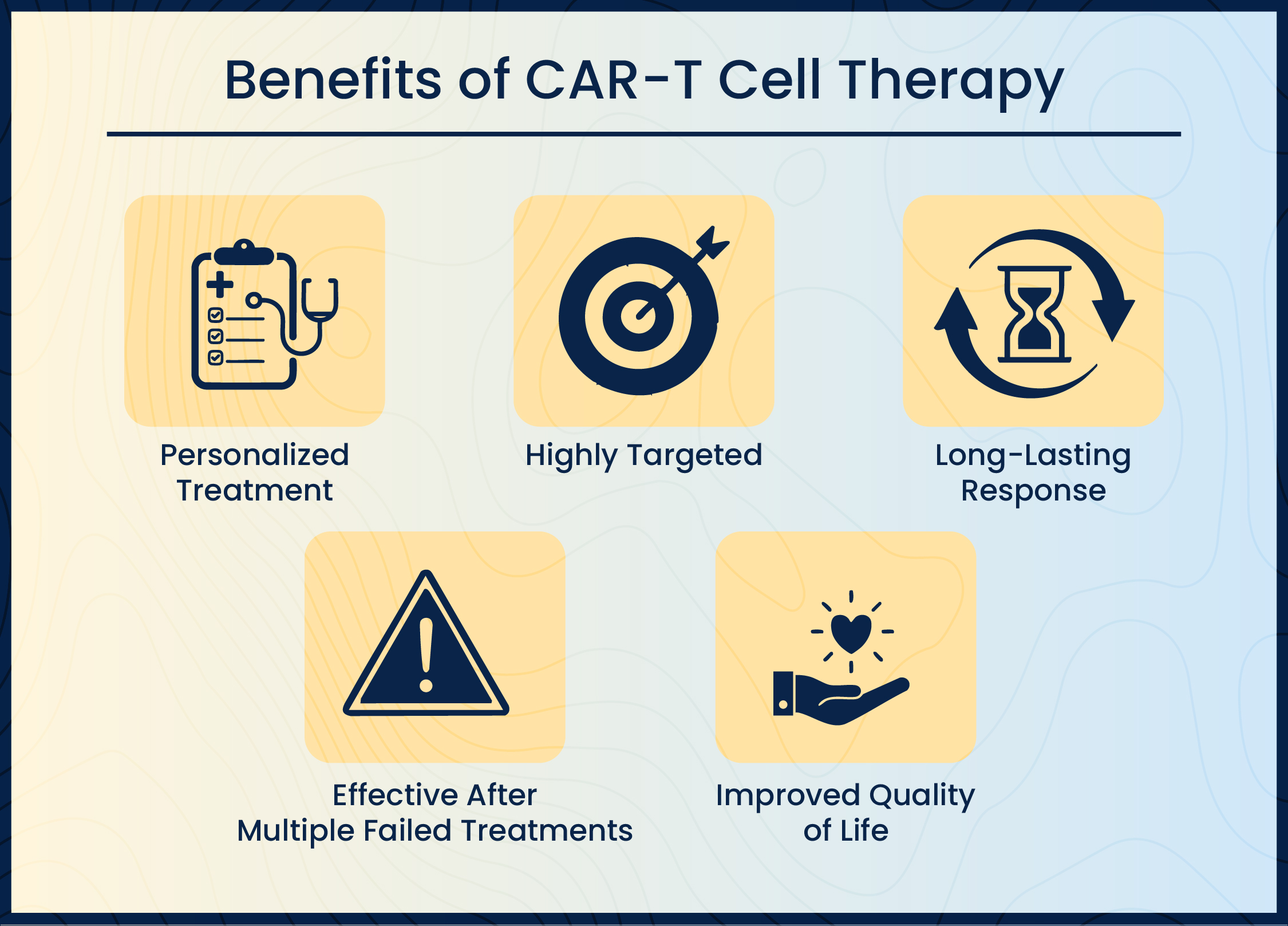
Benefits of CAR-T Cell Therapy
CAR-T therapy has transformed outcomes for many patients who previously had limited treatment options.
Its major advantages include:
- Personalized Treatment: The therapy is created using the patient's own immune cells.
- Highly Targeted: Unlike traditional chemotherapy, CAR-T cells specifically attack cancer cells while sparing many healthy tissues.
- Long-Lasting Response: CAR-T cells can remain active within the body for months or even years, providing ongoing protection against cancer recurrence in some patients.
- Effective After Multiple Failed Treatments: Many patients receiving CAR-T therapy have already undergone chemotherapy, stem cell transplantation, targeted therapy, or radiation. Despite these challenges, durable remissions have been achieved in selected patients.
- Improved Quality of Life: For eligible patients who respond well, CAR-T therapy may reduce disease burden and improve overall quality of life.
CAR-T Cell Therapy vs Chemotherapy
Traditional chemotherapy affects both healthy and cancerous rapidly dividing cells.
This often causes:
- Kidney Cancer Surgery
- Hair loss
- Low blood counts
- Mouth ulcers
- Fatigue
- Nausea
CAR-T therapy works differently.
Instead of directly attacking cells, it empowers the immune system to recognize cancer more accurately.
While CAR-T therapy has its own unique side effects, it avoids many of the long-term toxicities associated with repeated chemotherapy.
CAR-T Therapy vs Stem Cell Transplant
Many patients confuse CAR-T therapy with bone marrow transplantation. Although both may be used for blood cancers, they differ significantly. Stem cell transplantation replaces damaged bone marrow after intensive chemotherapy. CAR-T therapy enhances the patient's immune cells without replacing bone marrow. For some patients, CAR-T therapy may become an alternative when transplantation is not successful or feasible.
Possible Side Effects of CAR-T Cell Therapy
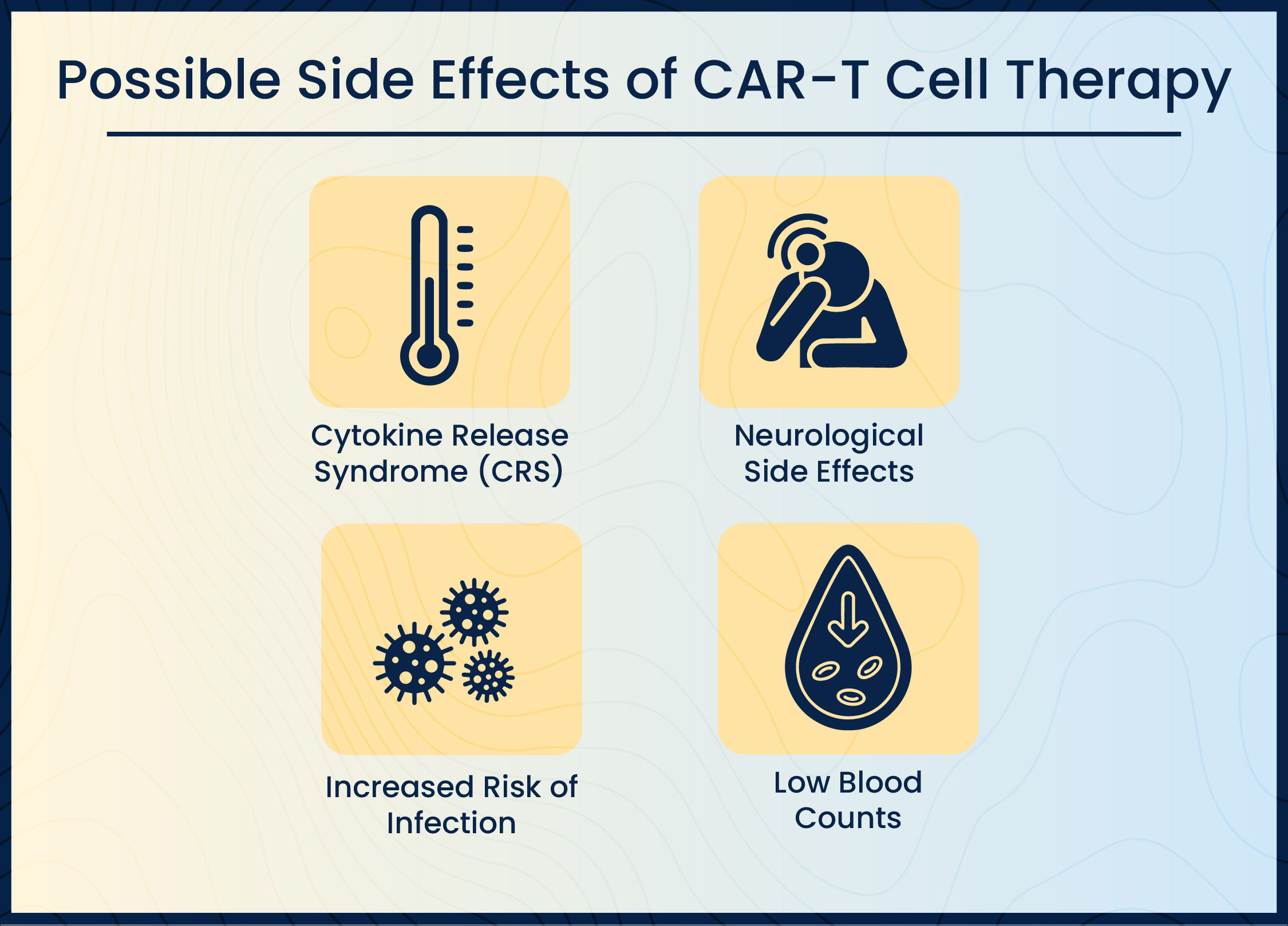
Like all advanced cancer treatments, CAR-T therapy can produce side effects that require expert management.
The most common include:
- Cytokine Release Syndrome (CRS): This occurs when activated immune cells release large amounts of inflammatory proteins.Symptoms may include:
- Fever
- Low blood pressure
- Chills
- Difficult breathing
- Fatigue Most cases can be effectively managed with timely medical care.
- Neurological Side Effects: Some patients may experience
- Confusion
- Difficult speaking
- Tremors
- Headache
- Temporary memory changes These symptoms are usually closely monitored and managed by experienced oncology teams
- Increased Risk of Infection: Because immune cells are affected, infection prevention remains an important aspect of post-treatment care.
- Low Blood Counts: Patients may temporarily develop
- Anemia
- Low platelet counts
- Reduced white blood cells Regular monitoring helps guide supportive care.
At Solaris Oncology, comprehensive support services help patients navigate every aspect of their cancer journey.
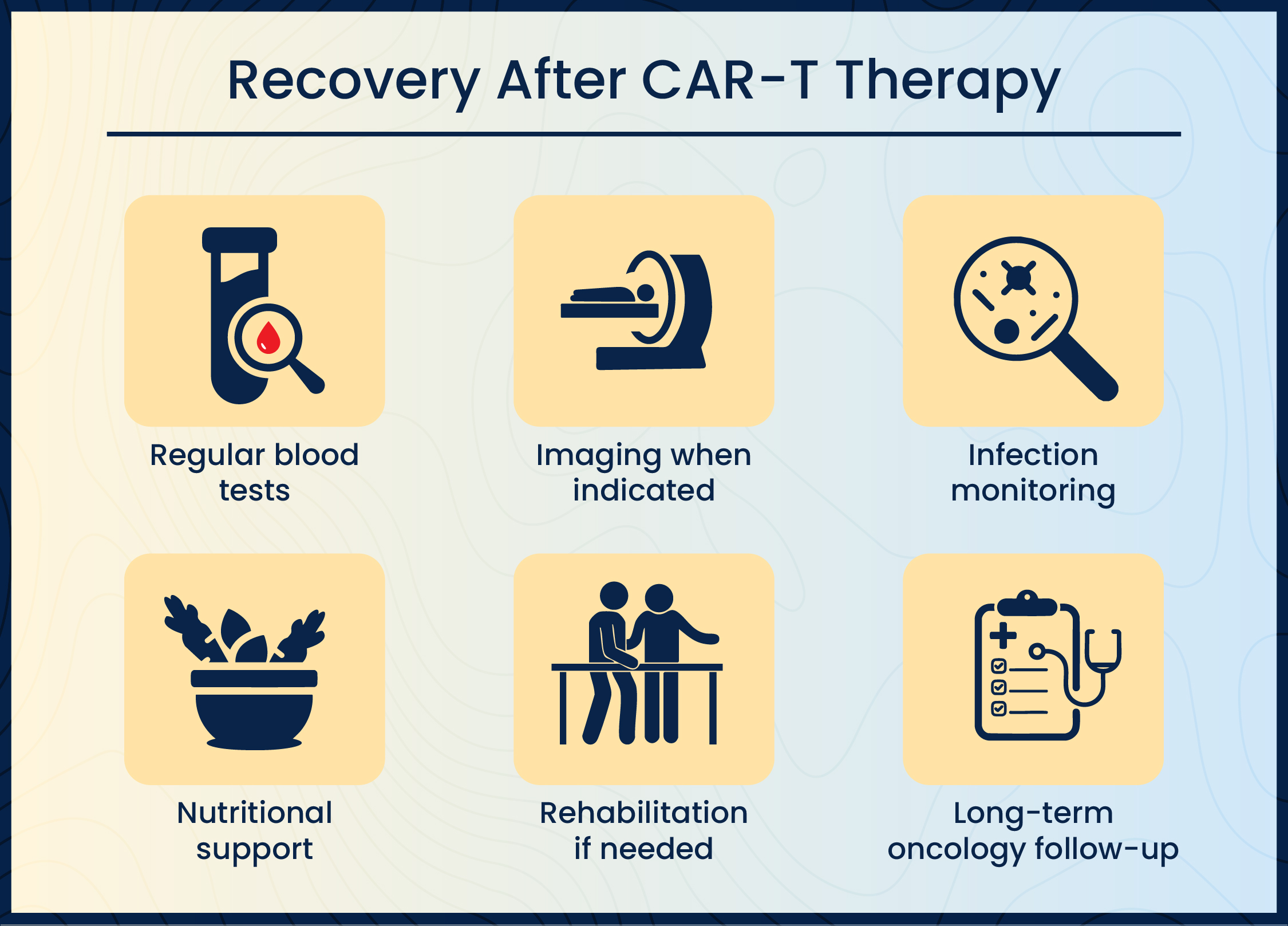
Recovery After CAR-T Therapy
Recovery varies from patient to patient.Most patients require:
- Regular blood tests
- Imaging when indicated
- Infection monitoring
- Nutritional support
- Rehabilitation if needed
- Long-term oncology follow-up
Family support also plays an important role during recovery.
Is CAR-T Cell Therapy Available in India?
Yes.
India has made significant progress in making CAR-T Cell Therapy more accessible. Select specialized cancer centres now offer approved CAR-T therapies for eligible patients with certain blood cancers, while additional therapies continue to become available through expanding clinical programs and collaborations.
Patients should consult an experienced medical oncologist to determine whether they are suitable candidates.
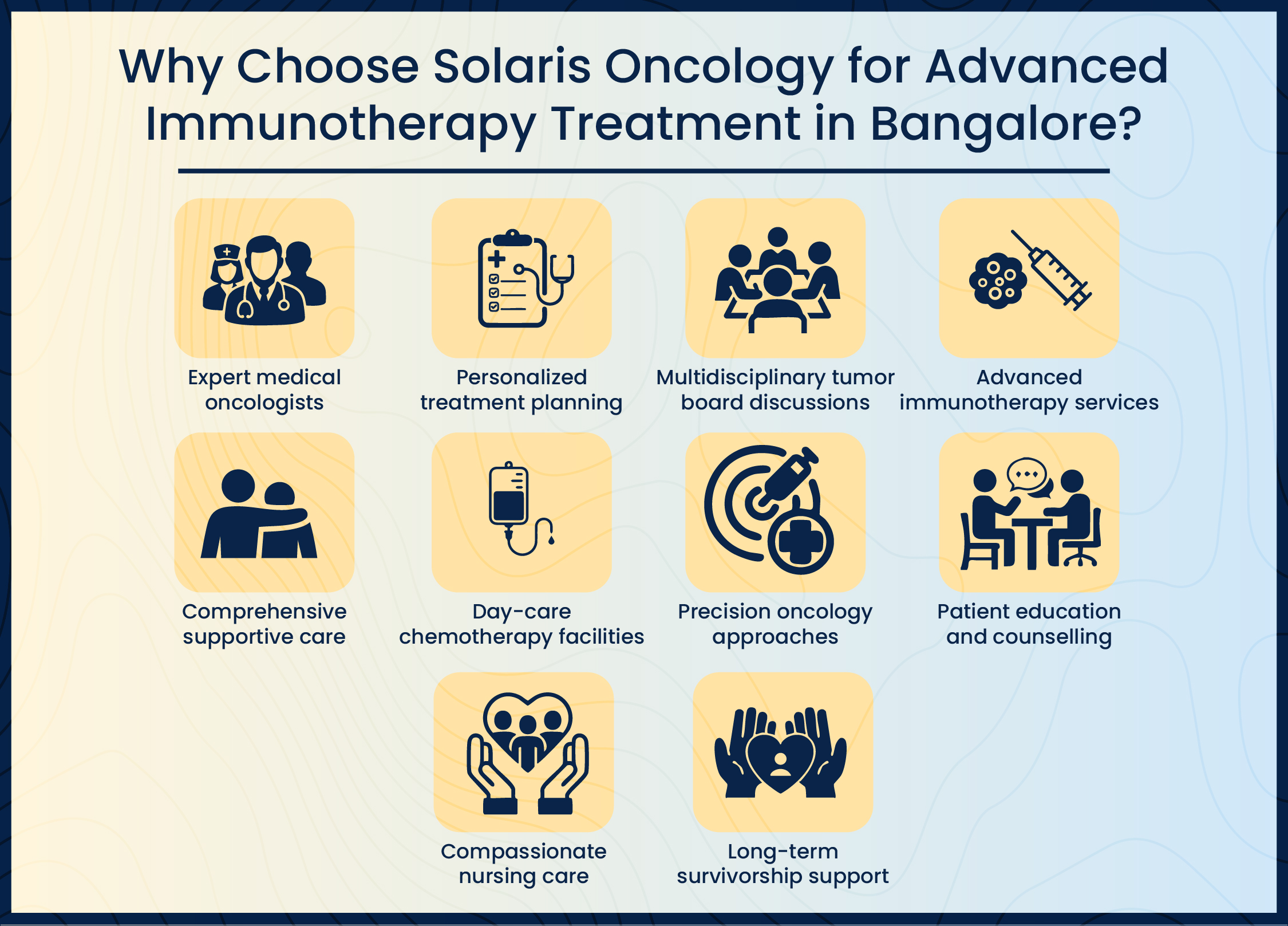
Why Choose Solaris Oncology for Advanced Immunotherapy Treatment in Bangalore?
Choosing the right cancer centre is as important as choosing the right treatment.At Solaris Oncology, we are committed to delivering evidence-based, patient-centered oncology care with access to modern treatment approaches and coordinated multidisciplinary expertise.Patients benefit from:
- Expert medical oncologists
- Personalized treatment planning
- Multidisciplinary tumor board discussions
- Advanced immunotherapy services
- Comprehensive supportive care
- Day-care chemotherapy facilities
- Precision oncology approaches
- Patient education and counselling
- Compassionate nursing care
- Long-term survivorship support
Whether you require chemotherapy, targeted therapy, immunotherapy, or guidance regarding advanced treatments such as CAR-T Cell Therapy, our team focuses on delivering individualized care based on the latest scientific evidence.
Why Early Referral Matters?
Patients with relapsed or treatment-resistant blood cancers often benefit from an early evaluation for advanced therapies.
Delaying specialist consultation may reduce the number of available treatment options.
If your cancer has returned after treatment or is no longer responding to standard therapies, discussing CAR-T Cell Therapy with an experienced oncology team may help identify appropriate next steps.
Early referral also allows sufficient time for eligibility assessment, treatment planning, and coordination of specialized manufacturing processes.
The Future of CAR-T Cell Therapy
CAR-T Cell Therapy is one of the fastest-growing areas in cancer research. Scientists are developing newer generations of CAR-T cells that aim to improve effectiveness, reduce side effects, and expand treatment beyond blood cancers.Current areas of research include:
- CAR-T therapy for breast cancer
- CAR-T therapy for lung cancer
- CAR-T therapy for brain tumors
- Dual-target CAR-T cells
- Off-the-shelf (allogeneic) CAR-T products
- Combination approaches with checkpoint inhibitors and other immunotherapies
As these innovations progress, more patients may benefit from personalized immune-based cancer treatment.
CAR-T Cell Therapy represents a major advancement in modern oncology, offering new possibilities for patients with certain blood cancers that have relapsed or not responded to conventional treatment. By harnessing the body's own immune system, this personalized immunotherapy has demonstrated meaningful and durable responses in eligible patients.
At Solaris Oncology, we are dedicated to helping patients navigate complex treatment decisions with compassion, expertise, and access to advanced cancer care. If you are exploring Immunotherapy treatment in Bangalore, seeking the Best cancer treatment in Bangalore, or looking for Affordable cancer treatment in Bangalore, our oncology team can guide you through available options, including evaluation for CAR-T Cell Therapy when clinically appropriate.
With timely diagnosis, multidisciplinary care, and personalized treatment planning, patients can access innovative therapies that may improve outcomes and quality of life. Schedule a consultation with Solaris Oncology to learn whether CAR-T Cell Therapy or another advanced cancer treatment is the right choice for your individual condition.